
Collingwood Housing Estate
Victorian Government
clientCollingwood, Melbourne
locationArt Direction + Community Engagement + Public Art Strategy
SCOPE20 Storeys, 62 Meters
SCALEPublic housing deserves world-class art too.
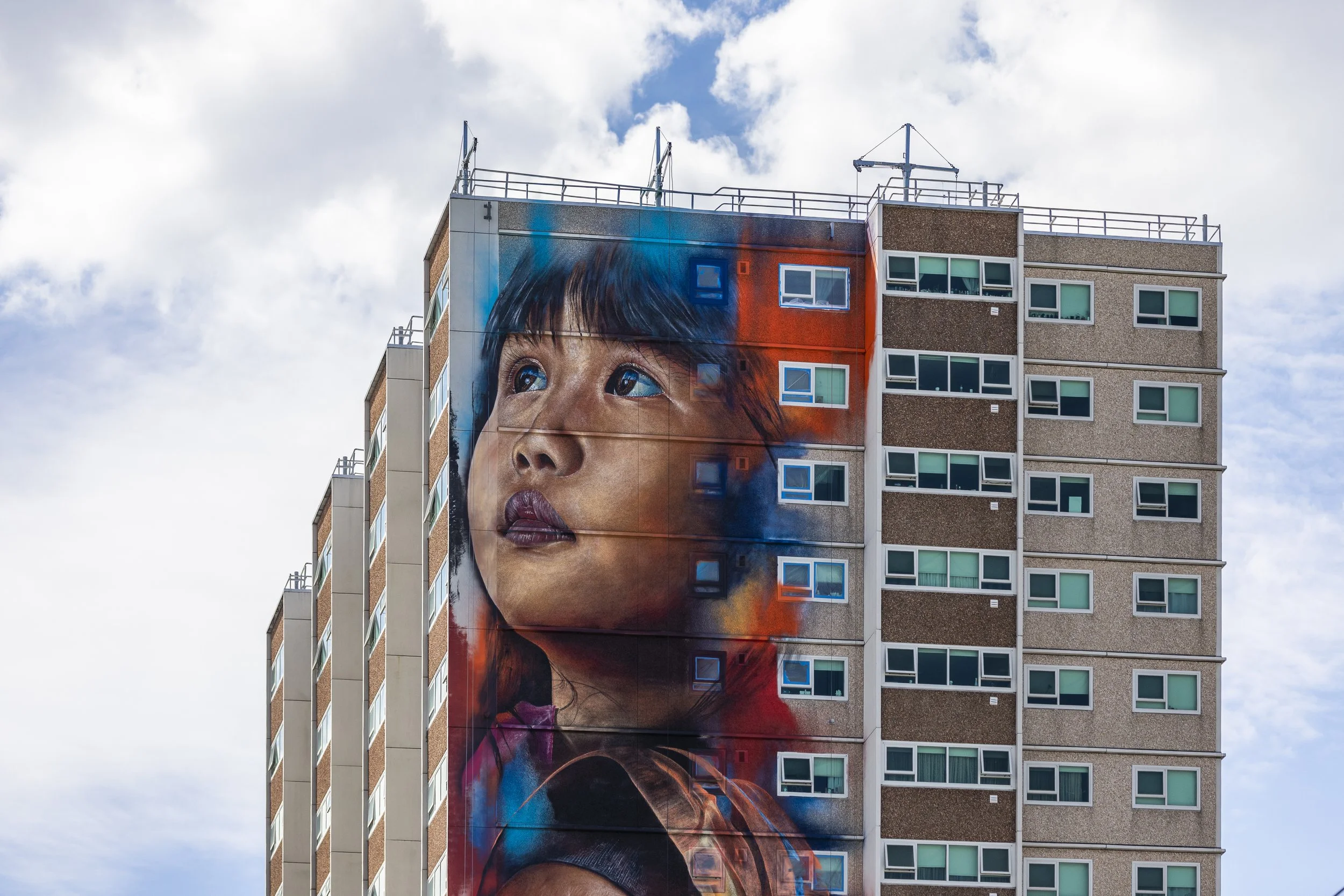
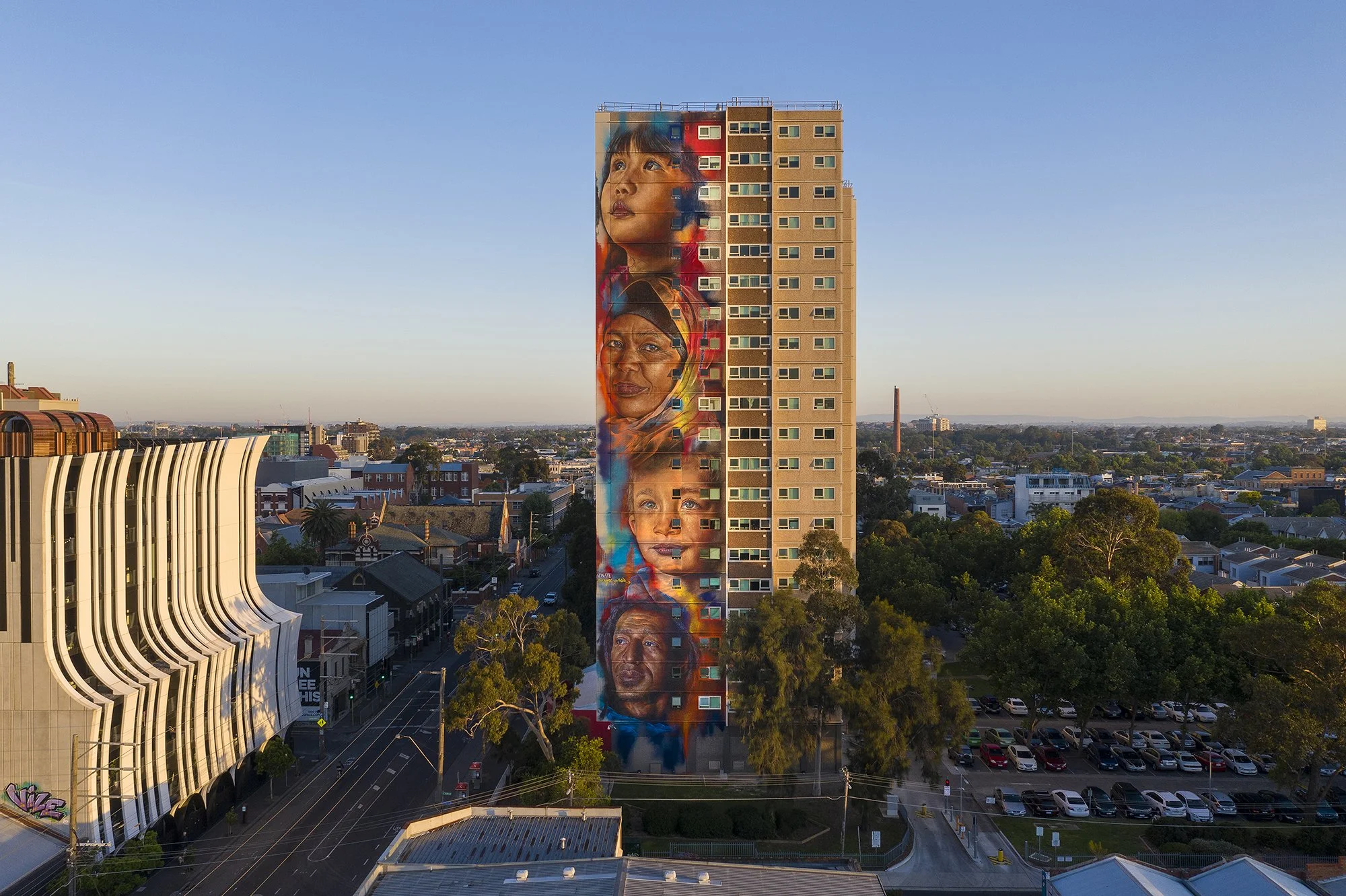
01 overviewIn 2018, Juddy Roller worked with artist Adnate and the Victorian Government to transform the city-facing wall of a Collingwood public housing tower into one of Melbourne’s most significant works of public art.
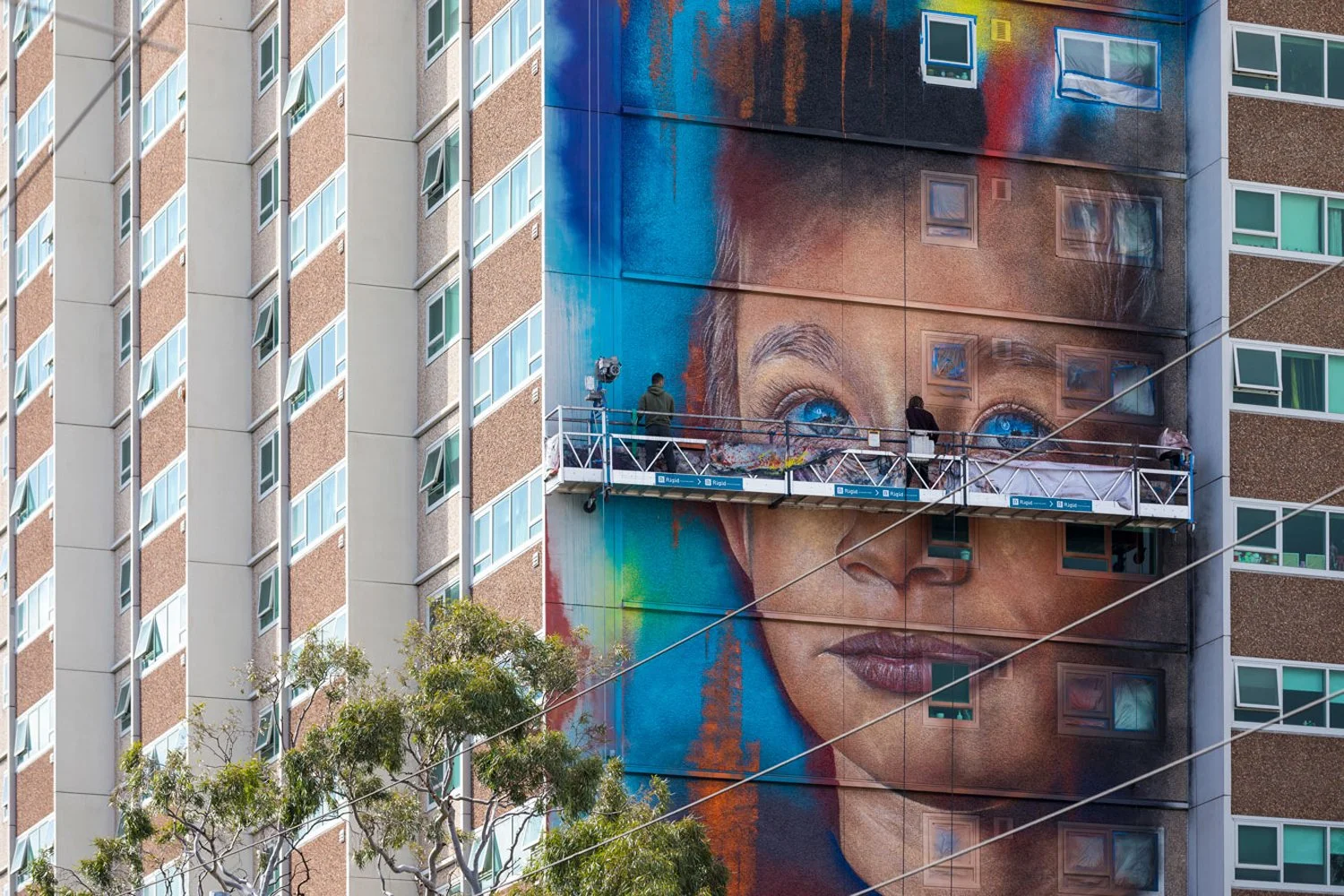
Stretching the full height of the 20-storey building, the monumental mural depicts four people who called the estate home — placing residents, rather than an abstract concept or external identity, at the centre of the artwork.
At the time of completion, it was reported as the tallest mural in the Southern Hemisphere. But scale was only part of its significance. The project used one of Melbourne’s most visible surfaces to celebrate a community that had too often been viewed from the outside.
Public art became a way to make the community visible, on its own terms.
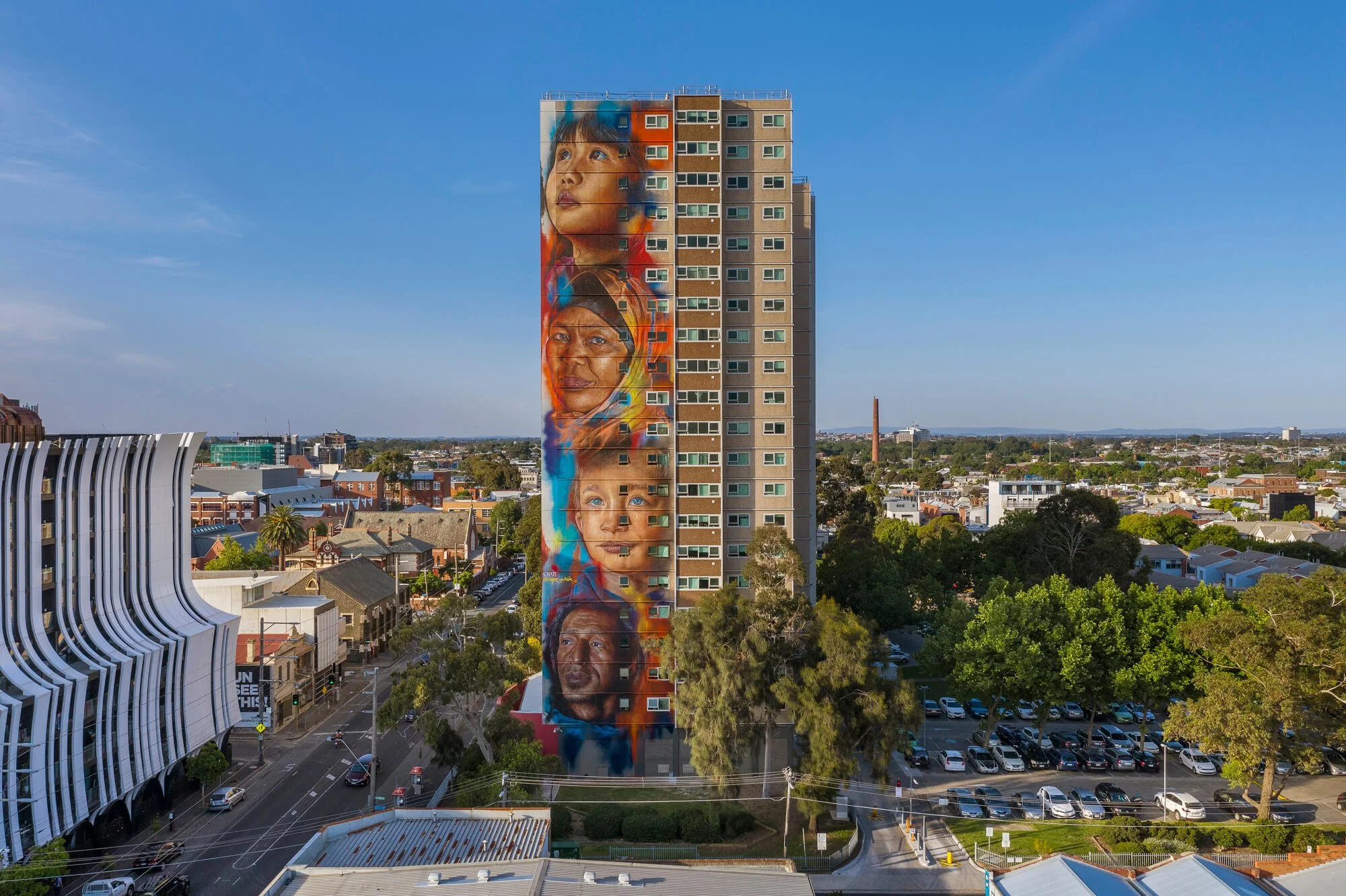

Four residents. One monumental portrait of community.
02 the PEOPLE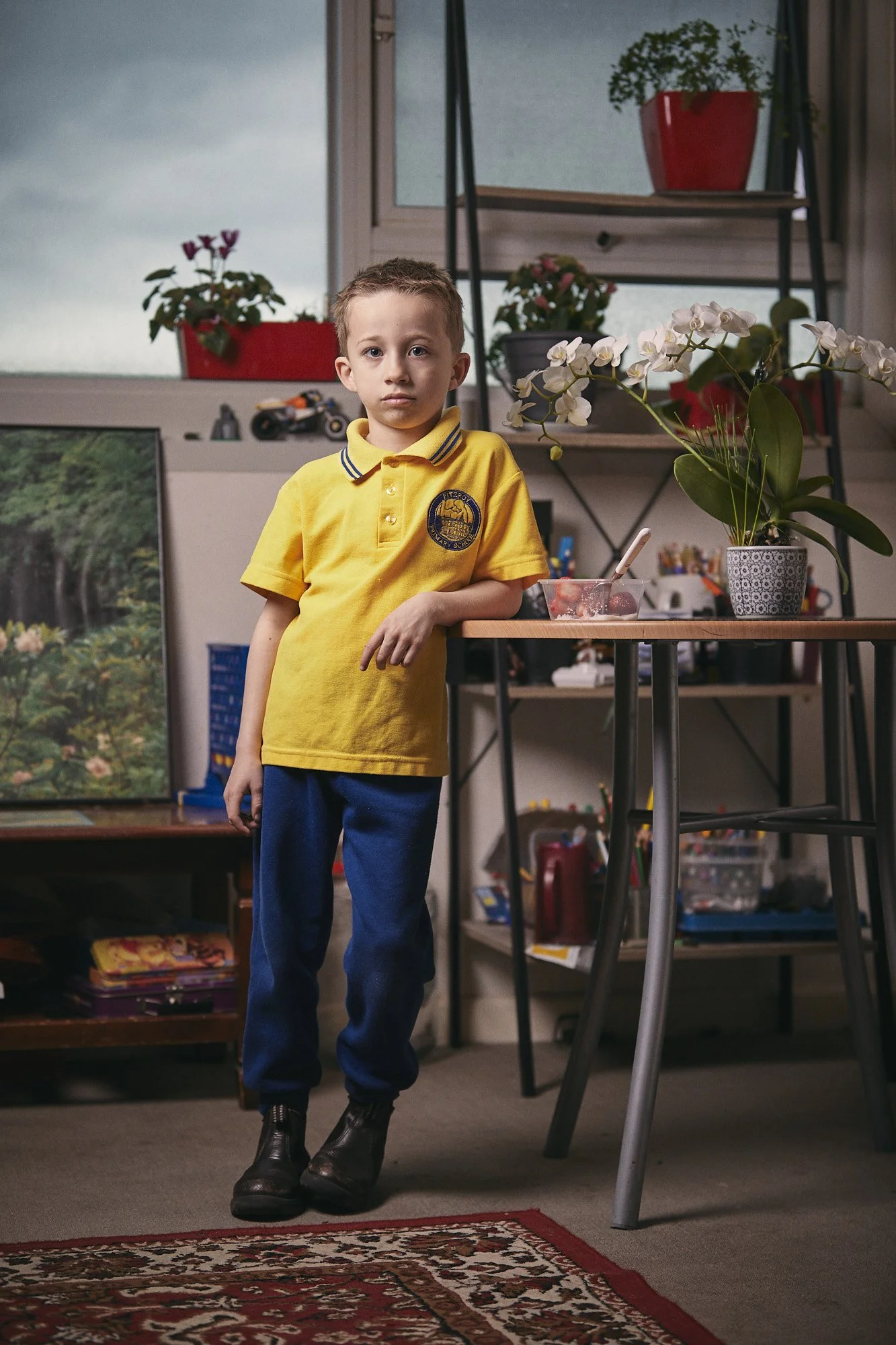
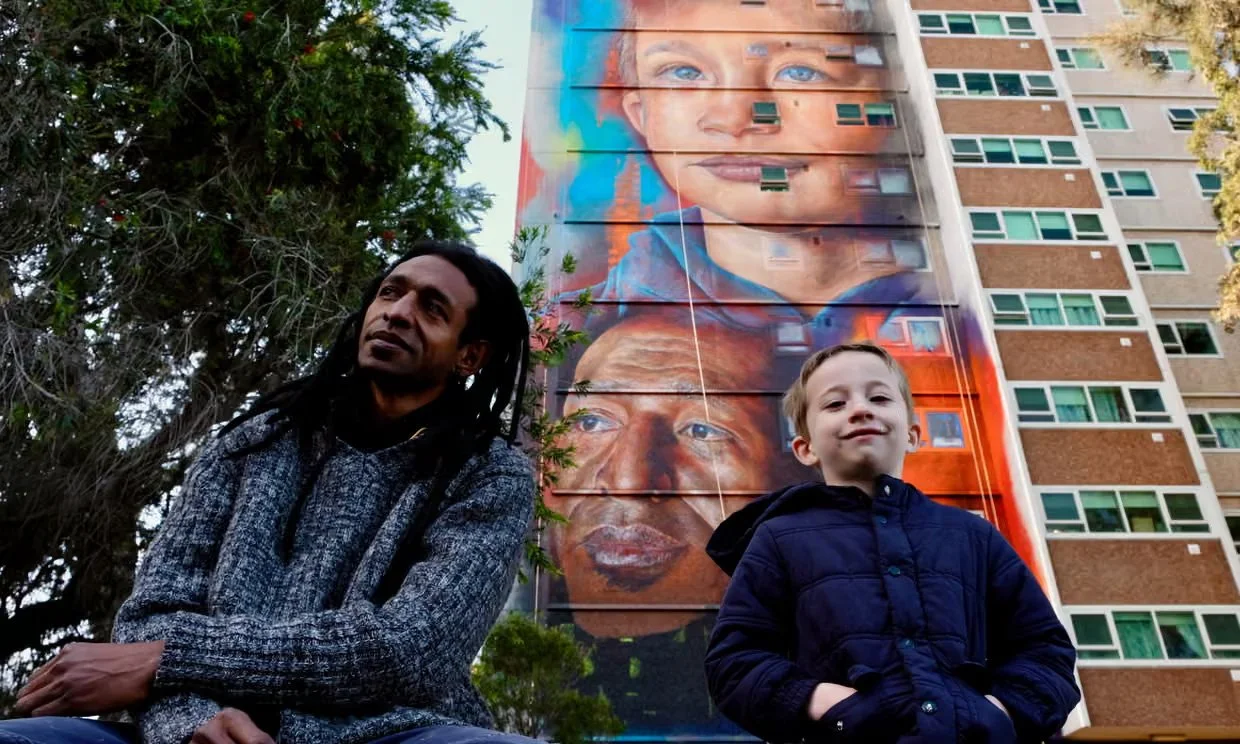
Arden Watson-Cropley
Six-year-old Arden lived with his mother Liz on the ninth floor of the Collingwood tower when he was selected for the mural — with the family's bathroom window ultimately sitting behind the eyes of his enormous portrait. After learning his face would become part of the building, Arden had a wonderfully simple response: "I'm going to be six forever."
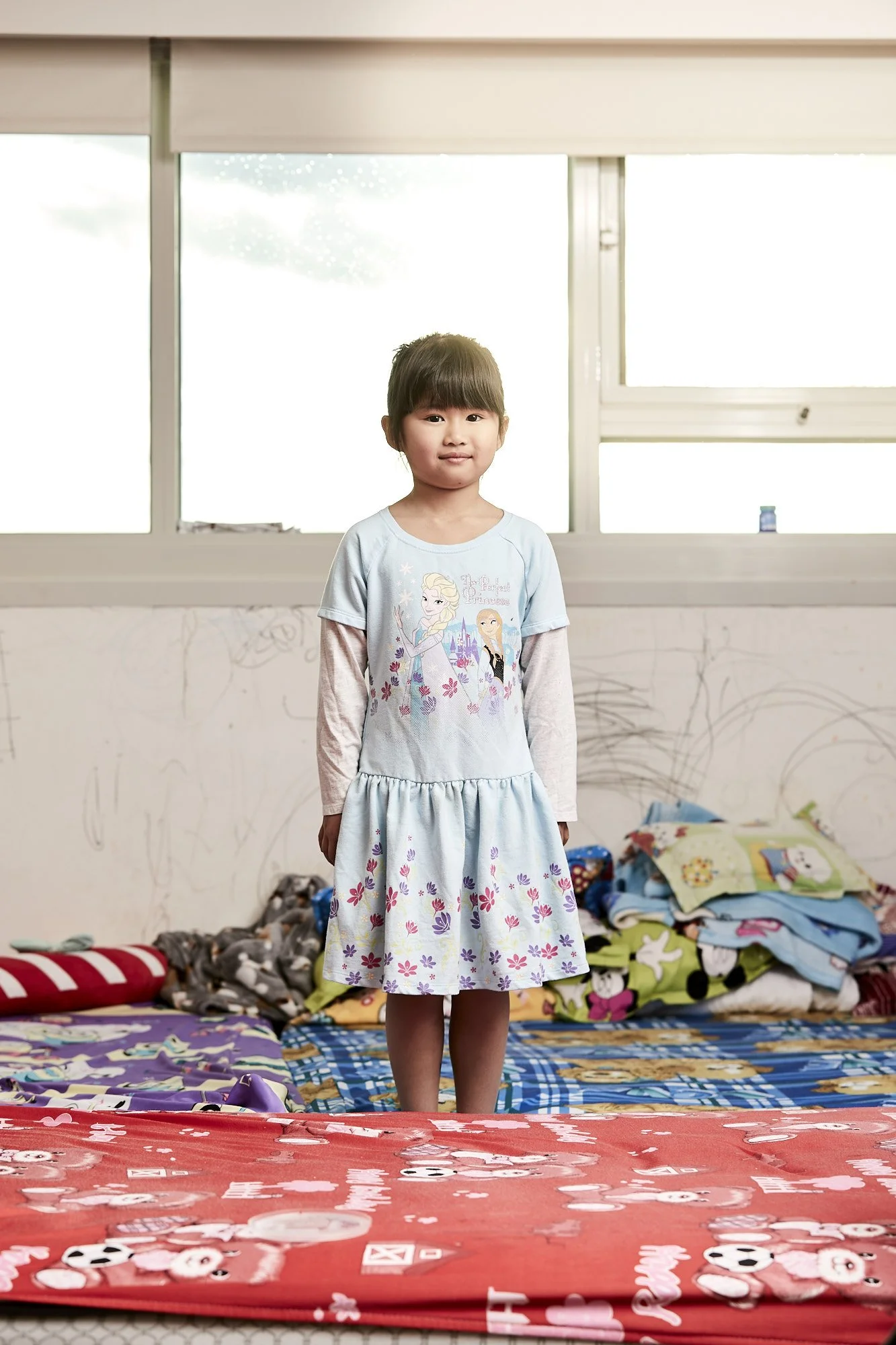
Ni Na Nguyen
Five-year-old Ni Na was growing up in the Collingwood Housing Estate with her mother when she was selected for the mural. An Australian-Vietnamese member of the community, her portrait represents one of its youngest generations and the multicultural identity that has long shaped Collingwood.
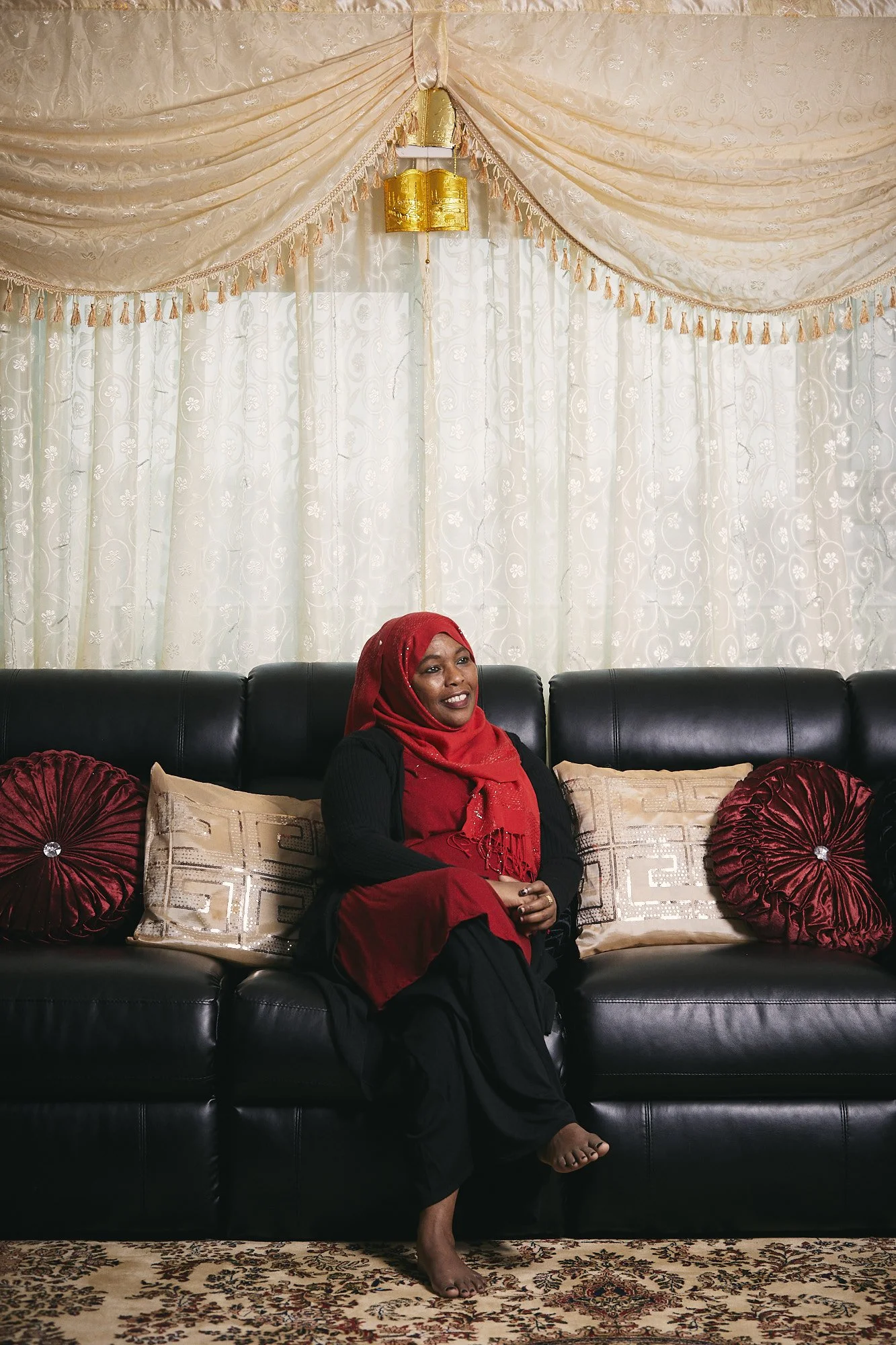
Badria Abdo
Originally from Oromia, Ethiopia, Badria came to Australia as a refugee in 2006 after spending more than seven years in a refugee camp in Kenya. A grandmother and resident of the Collingwood Housing Estate, Badria's portrait forms a powerful part of the mural's celebration of migration, resilience and belonging.
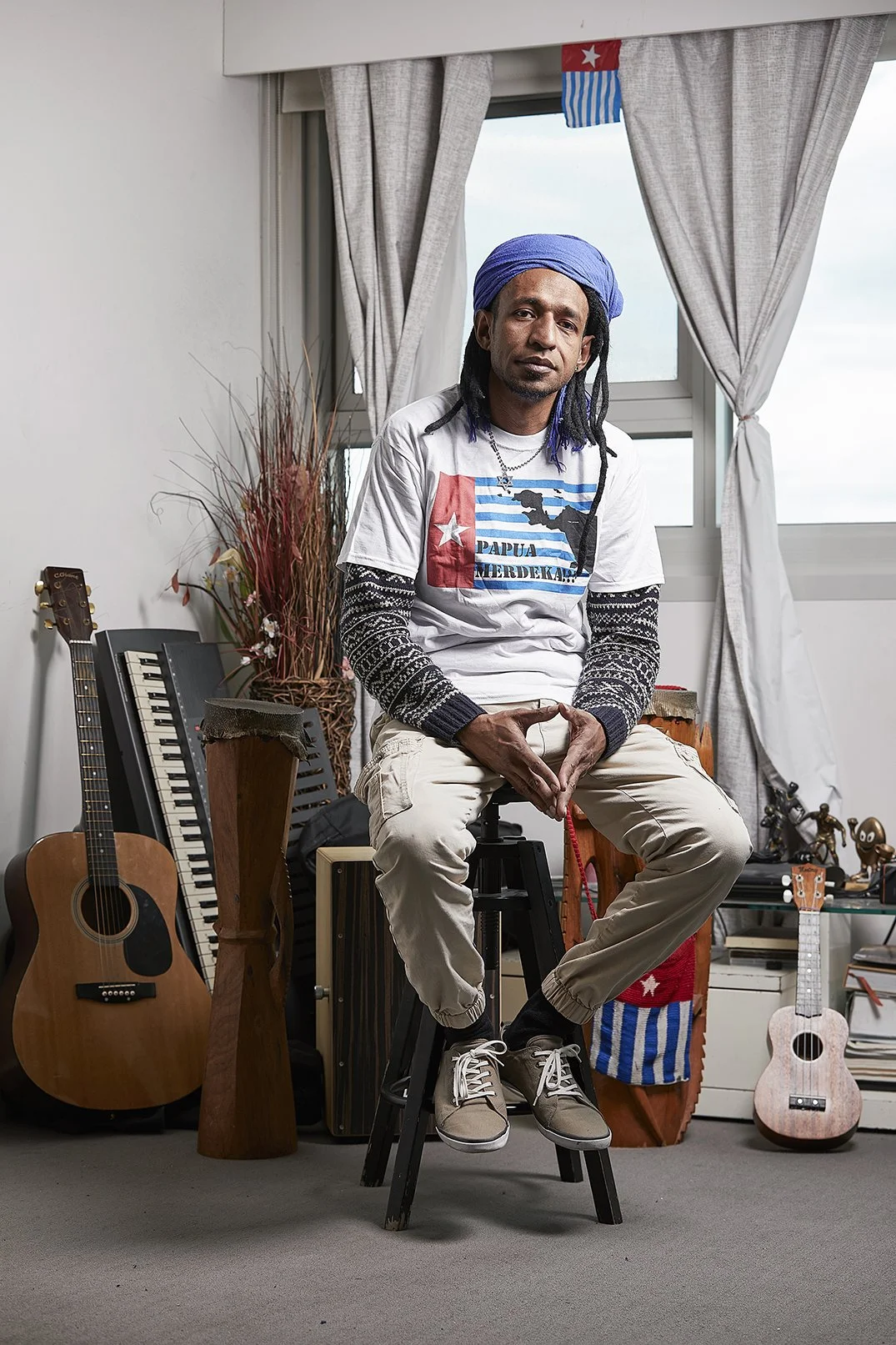
Yulius Antares Taime
Originally from West Papua, Yulius was one of the estate's newer residents when the project began, having arrived in Australia just over a year earlier. His inclusion reflects the many journeys and cultures that come together within the Collingwood community.
03 the PROCESSCurated, not simply supplied.
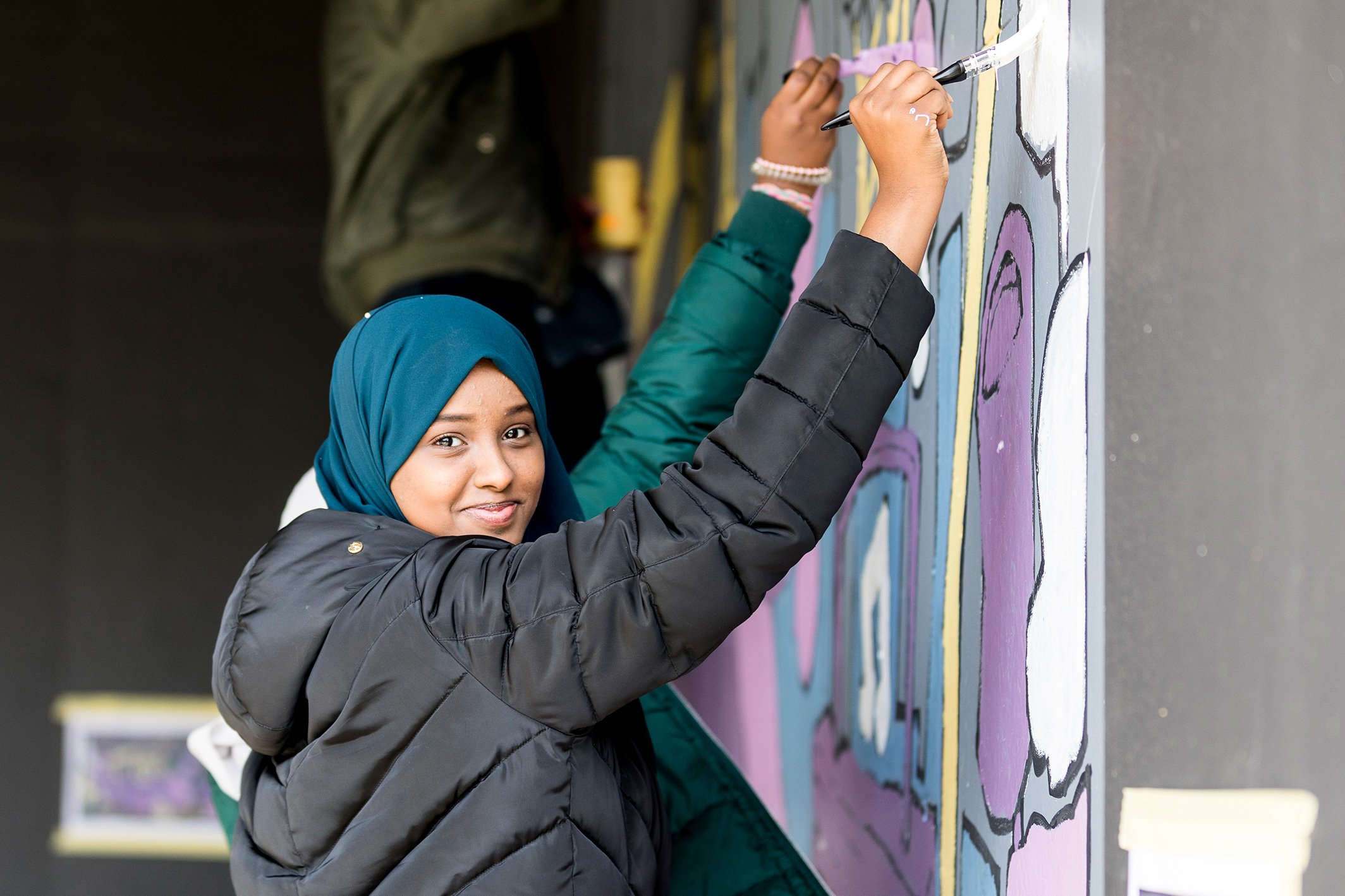
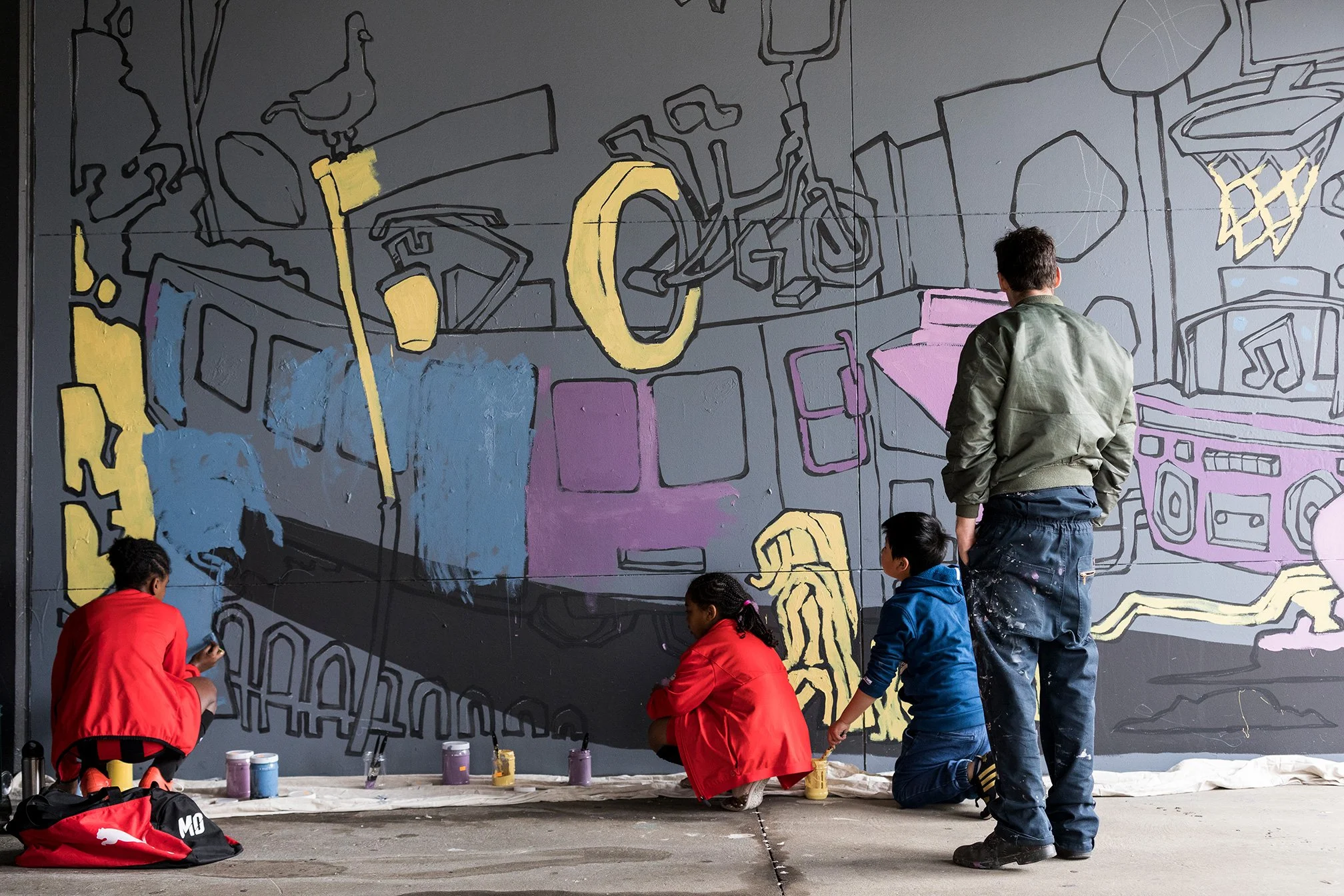
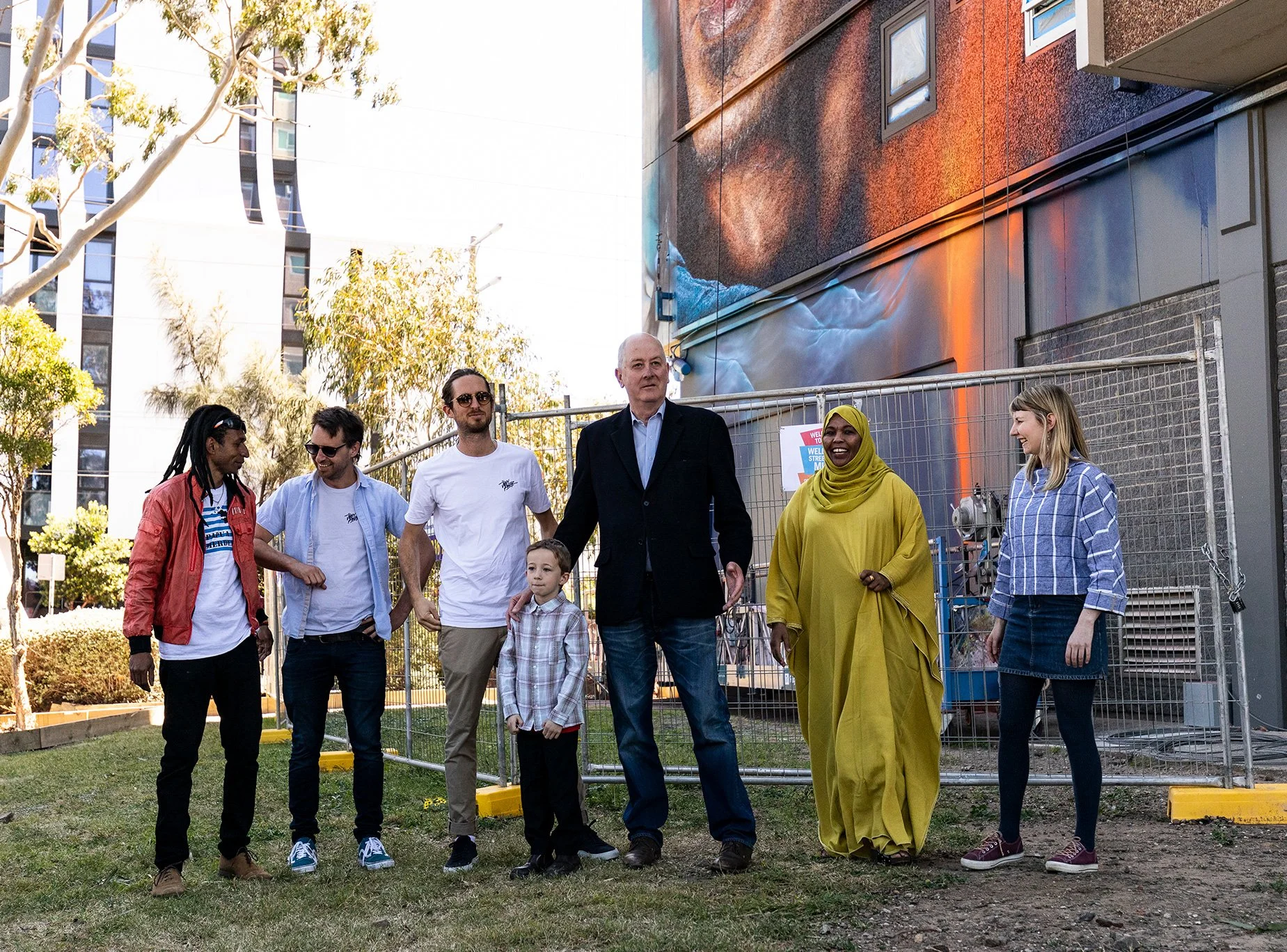
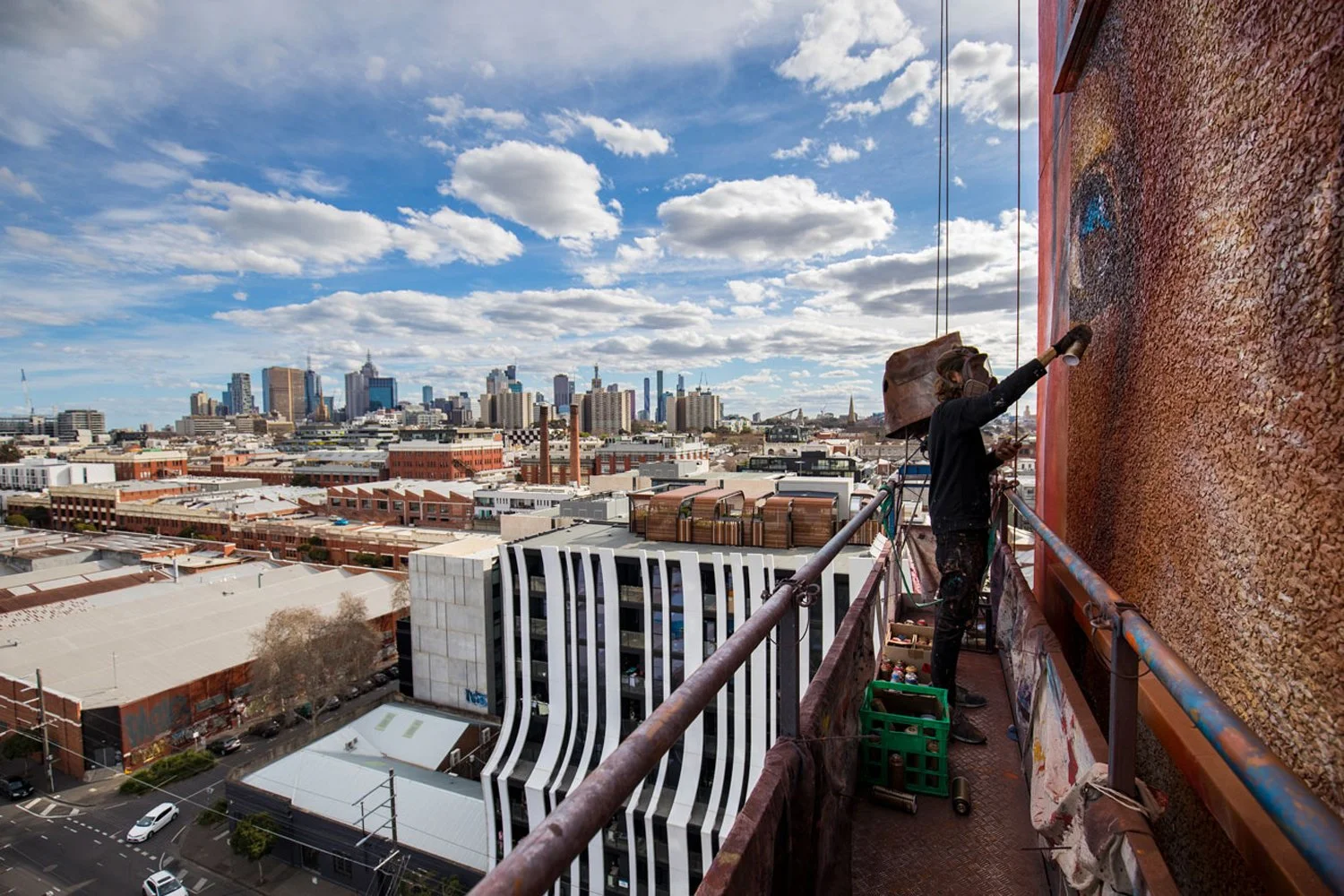
Creating a mural at this scale required more than selecting an artist and painting a wall. Juddy Roller shaped the project from concept to completion, bringing together creative direction, community engagement and large-scale production to create an artwork grounded in the people and identity of the Collingwood Housing Estate.
Community engagement formed part of the creative process from the outset. Working alongside Collingwood Neighbourhood House, Adnate connected with residents through artist pop-ups — giving the community an opportunity to meet the artist, understand the project and help shape who would ultimately be represented on their building.
Juddy Roller led:Artist selection
Creative concept & direction
Community engagement
Project management & production
PR & media
Every element was considered as part of one cohesive cultural project. Not artwork applied to a community, but artwork shaped around the people who call it home.
Art belongs here.
Years after its completion, the mural remains part of the Collingwood skyline.
The project demonstrated what can happen when public art is approached as cultural infrastructure rather than surface decoration: the architecture remains unmistakably public housing, while the artwork adds visibility, identity and a deeply human presence.
It also established a model Juddy Roller has continued to build on — bringing together ambitious contemporary art, complex sites and the communities who experience those places every day.