
Public Art Strategy & Consulting
Juddy Roller develops and delivers public art strategies for property developers, councils, architects, precincts and cultural institutions across Australia.
From early feasibility and artist curation through to approvals, production and impact measurement, we align the artwork, site and project objectives from the outset. The result is public art that belongs to its setting, can be delivered in the real world and continues to create value long after installation.
With more than 15 years of experience and over 500 murals and public artworks delivered, we understand what it takes to move an ambitious idea from strategy to completion.
A considered public art strategy turns an artwork into a landmark—and a landmark into lasting cultural, social and economic value.
What Is a Public Art Strategy?
A public art strategy is a practical framework for deciding why public art should be commissioned, where it should be located, who it should involve and what it needs to achieve.
It connects creative ambition with the realities of architecture, planning, budgets, community expectations, stakeholder approvals, public safety and long-term maintenance.
A strong strategy establishes:Planning, heritage and compliance requirements
Indicative budgets and delivery stages
Governance and approval pathways
Maintenance, lifespan and asset protection
Evaluation, documentation and reporting
The cultural and placemaking vision
Project objectives and measurable outcomes
Priority sites and commissioning opportunities
Artist selection and curatorial principles
Community and stakeholder engagement
Whether the project involves one landmark commission or a precinct-wide program, the strategy gives every decision a clear purpose.
Why Strategy Matters
Public art without a strategy risks becoming decoration. Public art with a strategy becomes cultural infrastructure. When integrated early, public art can:
Give a development or precinct a distinctive identity
Strengthen connection between architecture and place
Increase visitation, dwell time and public engagement
Support community pride and cultural participation
Create meaningful opportunities for artists
When integrated early, public art can:Generate organic content and earned media
Contribute to tourism and local economic activity
Support social-value, ESG and community-benefit objectives
Leave a permanent cultural asset rather than a temporary campaign
The most successful projects do not begin by asking, “Which artist should paint this wall?” They begin by asking, “What does this place need to become?”
Our role is to help answer that question—and then build the right creative and delivery framework around it.
For a deeper perspective, read why public art should be treated as long-term cultural infrastructure.
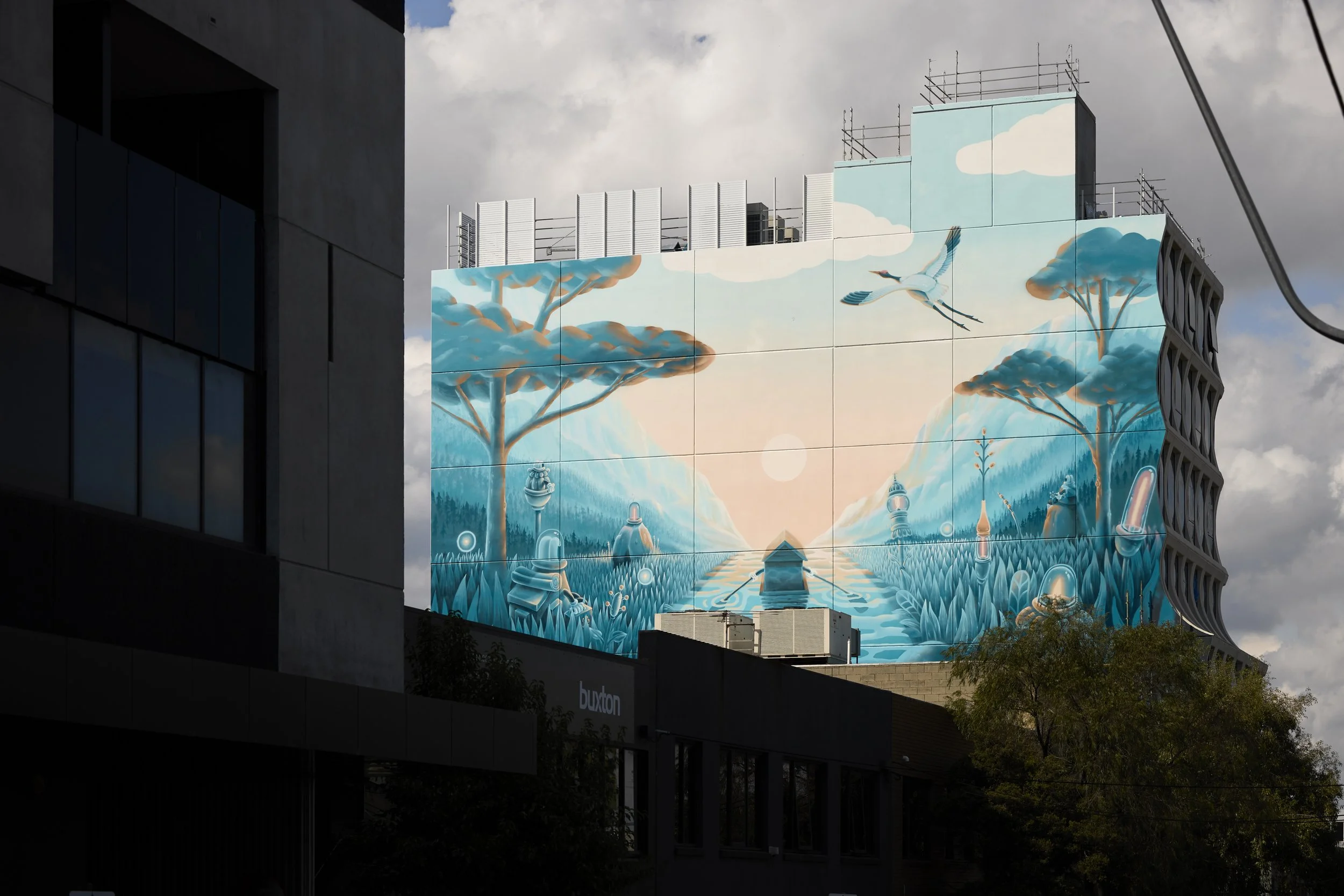
For property developers, asset owners and architects, public art can create identity, differentiation and a stronger relationship between a development and the community around it.
Juddy Roller can be engaged during masterplanning, design development or before construction to identify opportunities and ensure public art is integrated into the architecture—not applied as an afterthought.
Public Art Strategy for
Developers and Precincts
Public art plans for residential and mixed-use developments
Build-to-rent and commercial precinct strategies
Site and architectural opportunity assessments
Public art responses for planning and development approvals
Curatorial frameworks and artist shortlists
Indicative budgets and implementation programs
Stakeholder and design-team coordination
Commissioning, production and installation
Launch activations, content and media strategy
Our work can include:
This early involvement reduces delivery risk and creates a more coherent result across architecture, landscape, branding and the public realm.
See how public art was integrated into the identity and launch strategy for Indi Footscray’s build-to-rent precinct.
For local government, public art must balance cultural ambition with community benefit, governance, public accountability and long-term care.
We work with economic development, arts and culture, tourism, planning and placemaking teams to develop strategies that are ambitious, practical and specific to place.
Public Art Strategy for
Councils and Communities
Municipal and precinct public art strategies
Cultural tourism and destination-development plans
Street art and mural programs
Public art opportunity and site mapping
Artist commissioning frameworks
Community engagement and co-design
First Nations engagement and cultural protocols
Funding, partnership and sponsorship models
Festival and activation planning
Evaluation and economic-impact frameworks
Maintenance and collection-management planning
Our council and community work can include:
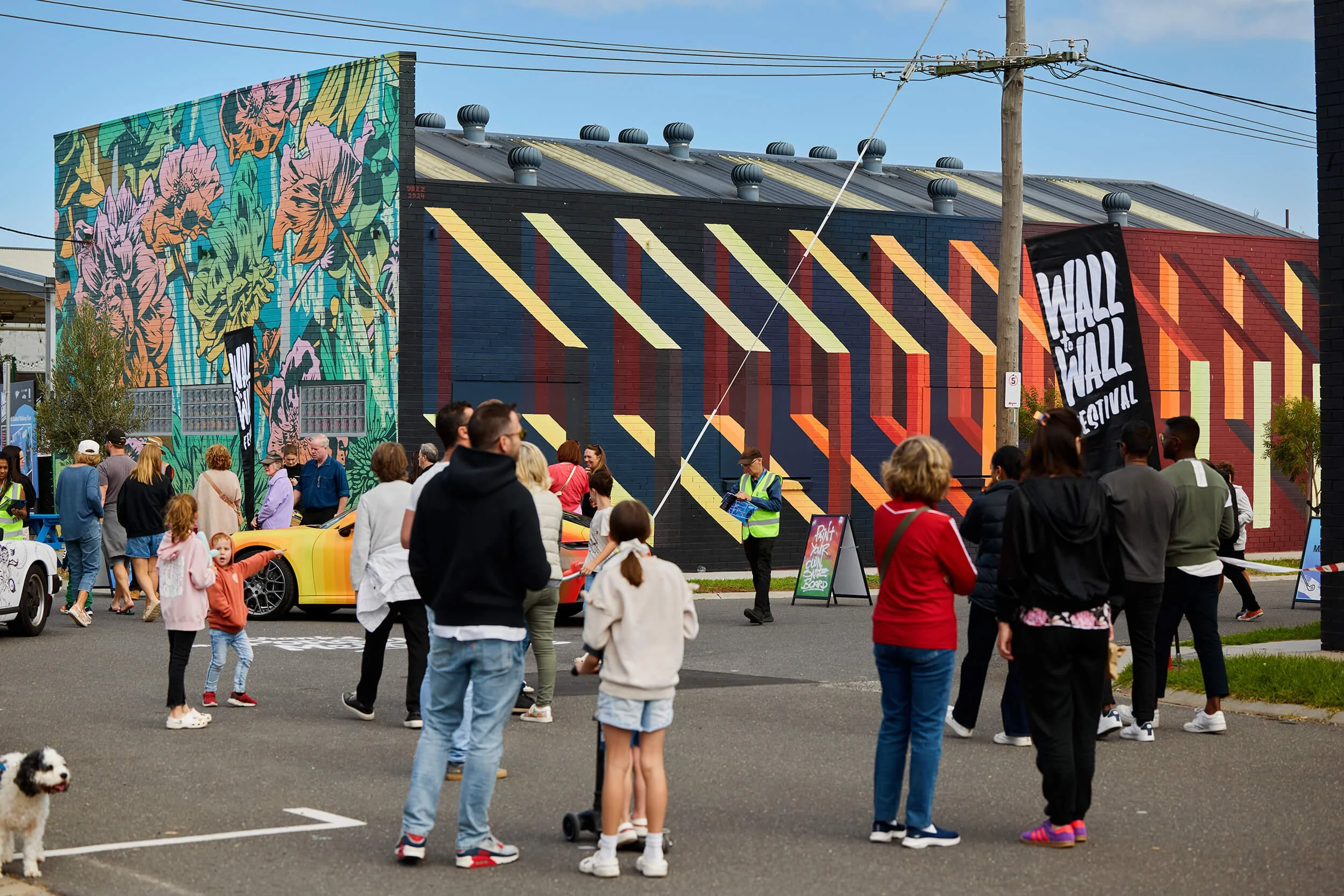
Our approach is shaped by more than a decade of delivering regional and metropolitan programs, including the original Australian Silo Art Trail and the Wall to Wall Festival and Mordi Village public art precinct.
Our Public Art Strategy Process
We begin with the place, not a predetermined visual solution.
We work with the client and relevant stakeholders to understand the site, project objectives, audiences, constraints, cultural context and desired legacy.
01
Discovery and Project Definition
We assess architecture, visibility, access, planning requirements, heritage considerations, public safety, surface conditions, construction interfaces and realistic delivery costs.
This identifies where public art can create the greatest value—and prevents unsuitable ideas from progressing too far.
02
Site, Context and Feasibility Review
We define the overarching creative direction, commissioning principles, cultural narratives and criteria that will guide artist selection.
The objective is not to prescribe an artist’s final work. It is to create a strong framework within which artists can respond with relevance and creative integrity.
03
Creative Vision and Curatorial Framework
We identify artists whose practice, experience and technical abilities suit the site.
Our relationships with leading Australian and international muralists, street artists and contemporary artists allow us to build shortlists around cultural and project fit—not simply availability or profile.
If you already have a defined commission, explore our complete service for hiring and managing a mural artist.
04
Artist Curation and Commissioning
We coordinate design reviews, client approvals, community consultation and relevant planning, heritage or authority requirements.
Clear governance at this stage protects the artist, the client and the integrity of the final outcome.
05
Stakeholder Engagement and Approvals
Artist contracts and coordination
Concept development and approvals
Budgets and project schedules
Site preparation and specialist coatings
Scaffolding, elevated work platforms and access
Traffic and pedestrian management
Safety systems and contractor compliance
Installation and quality control
Photography, video and project documentation
Protective coatings and maintenance planning
Juddy Roller can remain involved as the delivery partner, managing:
06
Production, Compliance and Installation
Where appropriate, we develop public programs, launch events, content and media campaigns that extend the reach of the commission.
We also establish ways to evaluate outcomes such as visitation, engagement, media reach, business sentiment, community response and ongoing cultural value.
07
Activation, Measurement and Legacy
More Than a Strategy Document
Juddy Roller is both a public art consultant and an experienced delivery studio. That distinction matters.
Our recommendations are informed by what it actually takes to commission artists, obtain approvals, operate safely, manage live sites and deliver ambitious work at architectural scale. We do not hand over a strategy that another team must reinterpret. When required, we can take responsibility for the entire process:
Strategy → Curation → Approvals → Production → Activation → Evaluation
This gives clients a clear, accountable pathway from idea to completed public artwork.
Selected Public Art Strategy Projects
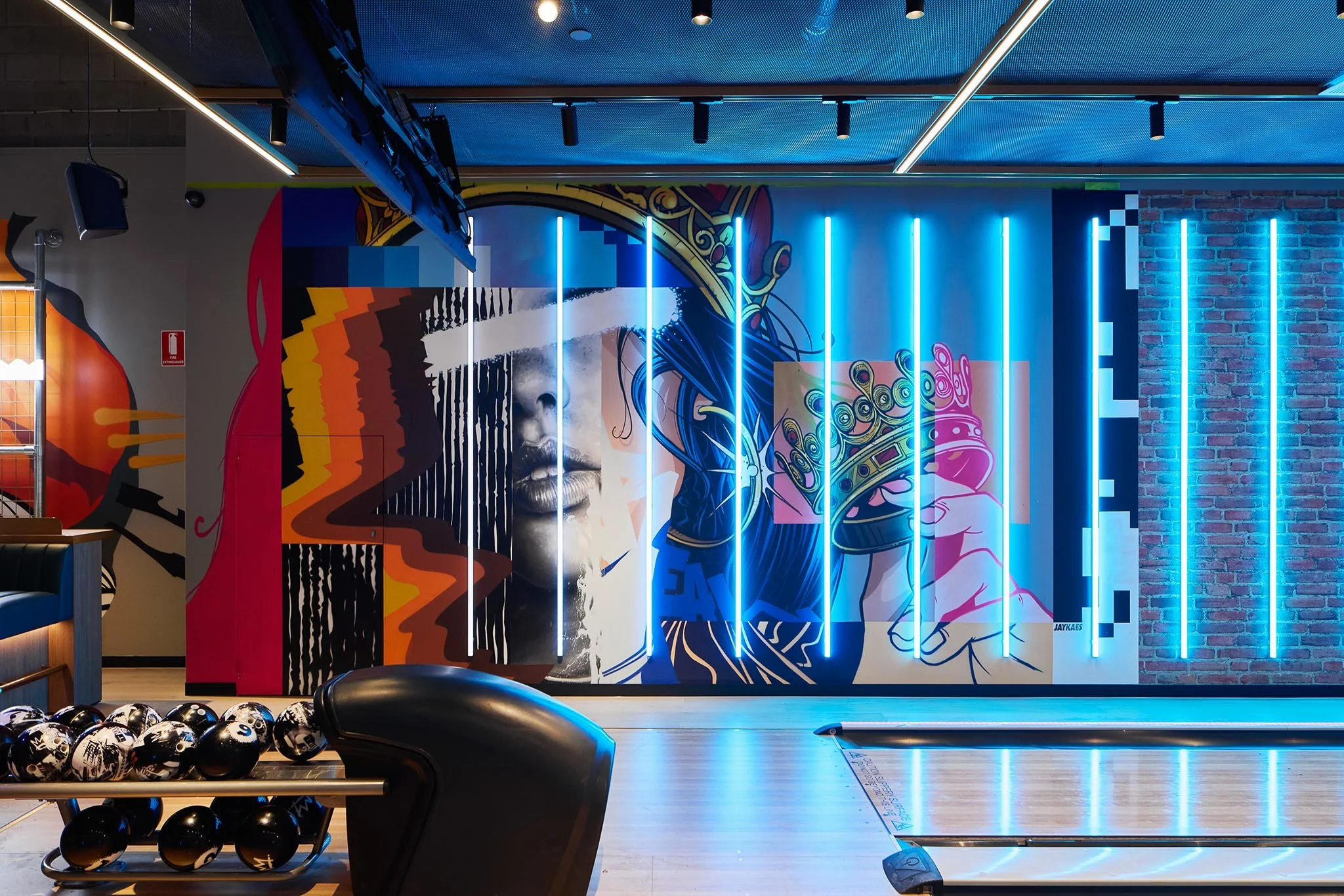
A multi-artist curatorial strategy transformed Kingpin’s $13 million Melbourne flagship into an immersive cultural experience, with artwork integrated across the 3,000-square-metre venue.
Kingpin Melbourne
Venue Transformation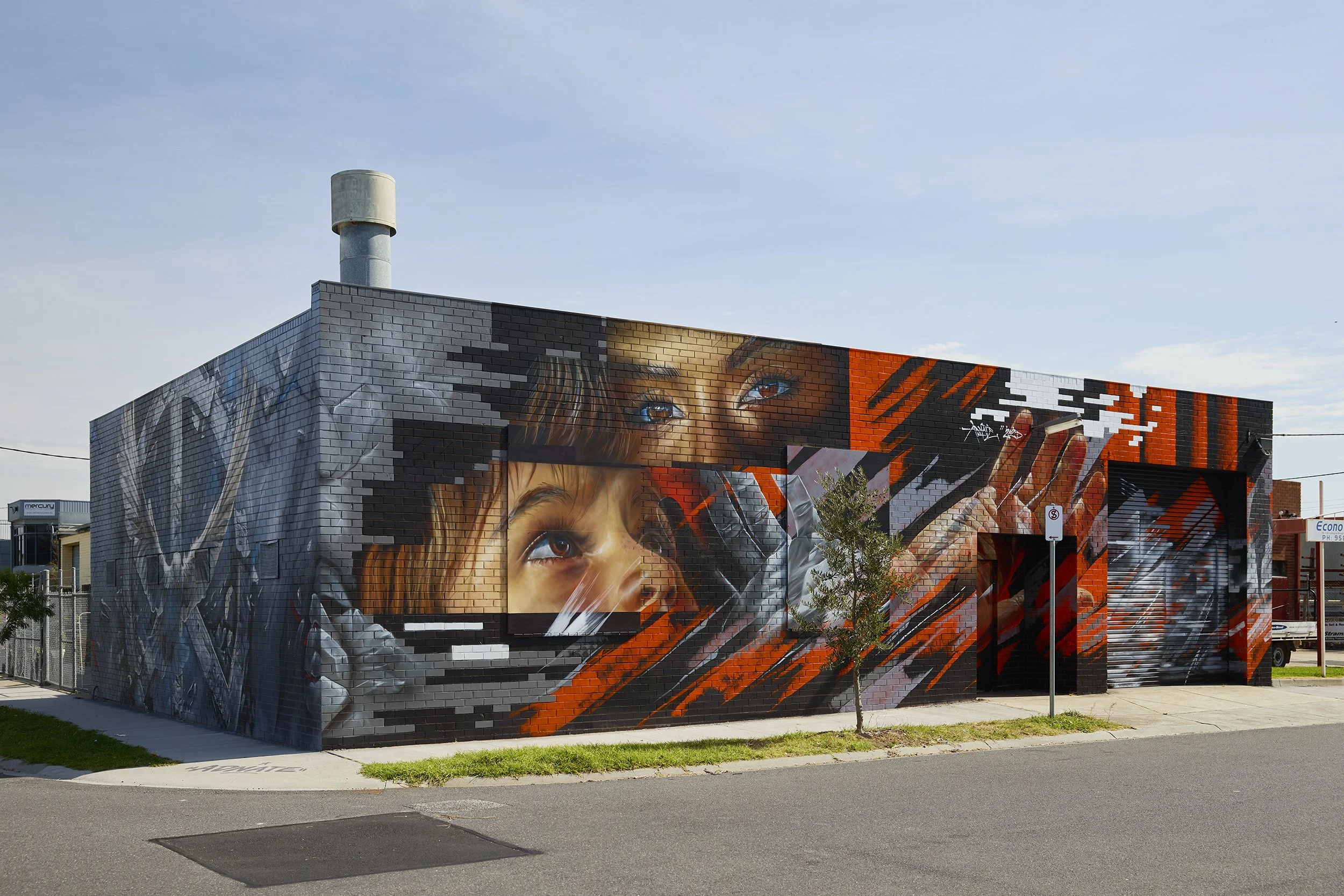
A long-term public art and activation program delivered more than 20 landmark murals and helped establish Mordi Village as a recognised cultural destination.
Mordi Village
Precinct and Economic Development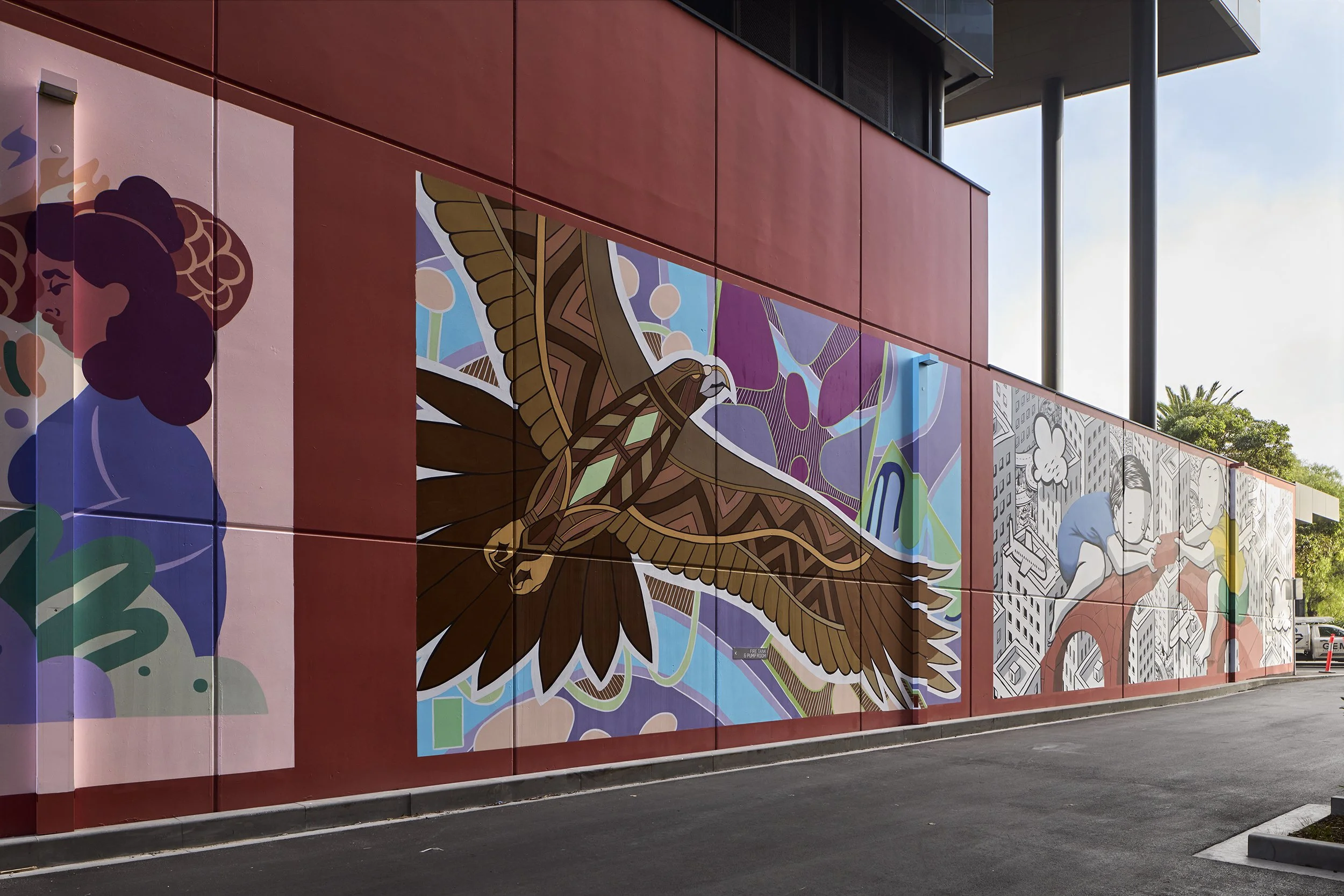
Six permanent murals by Australian and international artists were integrated into Investa’s Footscray build-to-rent development, supported by a broader cultural activation and launch strategy.
Indi Footscray
Residential Precinct
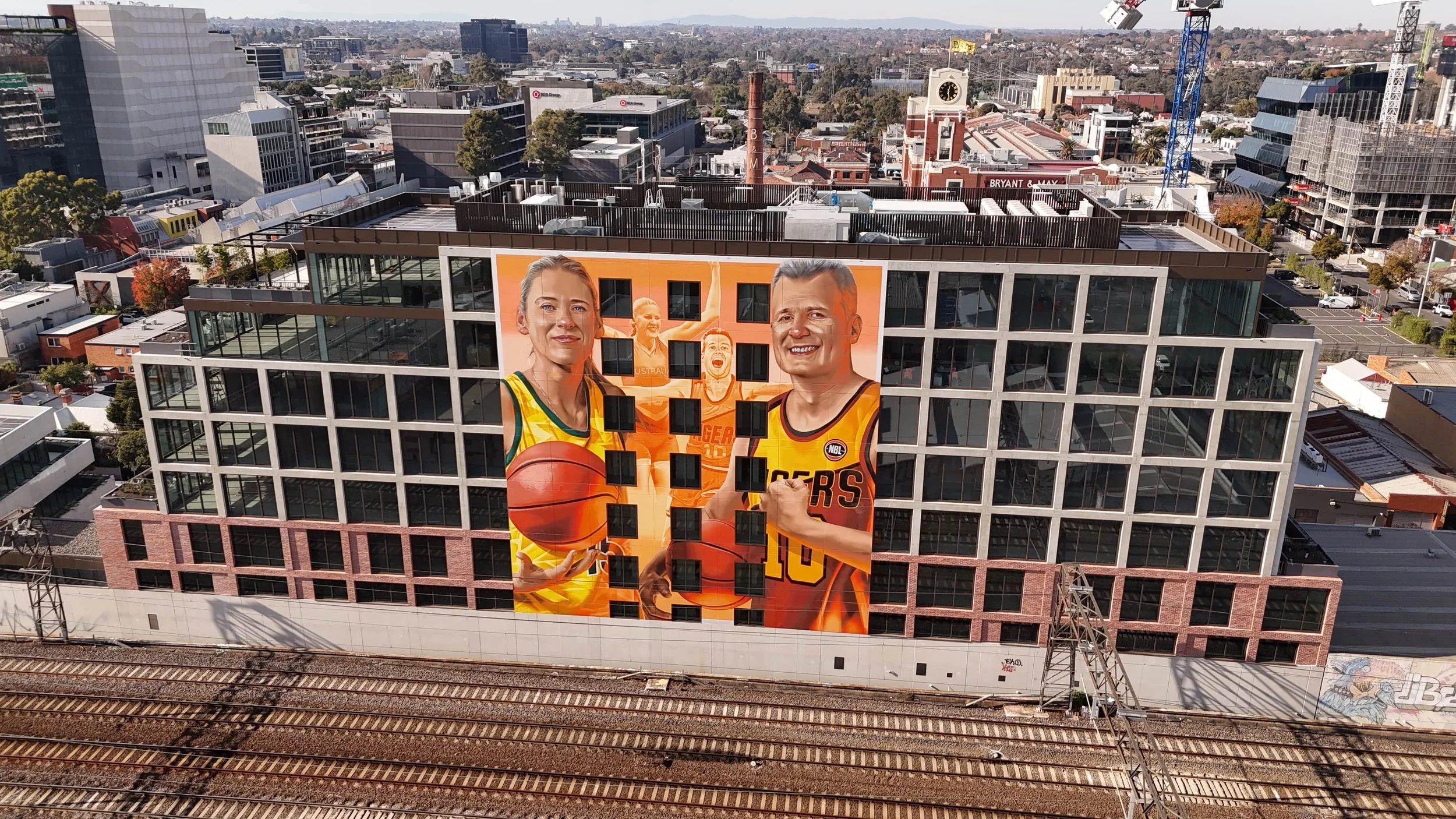
Juddy Roller curated and delivered a landmark artwork by Smug celebrating Australian basketball icons Lauren Jackson and Andrew Gaze at the NBL’s Cremorne headquarters.
NBL Headquarters
Brand and Precinct Identity
Who We Worth With
Property developers and asset owners
Local and state government
Precinct, mixed-use and build-to-rent developments
Arts, culture and economic-development teams
Cultural and educational institutions
Infrastructure providers
Community organisations and NGOs
Tourism and destination organisations
Brands and major events
Architects and urban designers
What Industry Leaders Say
“Juddy Roller delivered over 20 landmark murals and generated a 300% uplift for local businesses.”
Cr Georgina OxleYMayor, City of Kingston
“Shaun Hossack (Founder) has provided immense value to the development of the arts throughout the State of Victoria.”
Jaclyn Symes MP
Treasurer
Minister for Regional Development
-
A public art consultant helps clients define the purpose, scope and delivery model for a public art project. This can include site assessment, public art planning, artist curation, stakeholder engagement, commissioning, approvals, budgeting, production oversight and evaluation.
Juddy Roller combines these advisory services with complete project delivery.
-
Ideally, a public art consultant should be engaged during masterplanning or design development. Early engagement allows artwork locations, budgets, infrastructure, lighting, access and approval requirements to be considered before construction decisions are locked in.
We can also assist with existing sites or projects already underway.
-
The cost depends on the size of the site, number of proposed commissions, stakeholder requirements, consultation process and level of documentation required.
A focused strategy for one development will differ substantially from a municipal or multi-precinct public art plan. We provide a clearly defined scope and fee after an initial project discussion.
-
Yes. We work with developers, architects and project teams to interpret public art requirements, identify appropriate opportunities, develop commissioning plans and coordinate the artwork through approvals and delivery.
Planning requirements differ between jurisdictions, so each project is assessed individually.
-
No. Murals are a major part of our experience, but our strategic work can consider a broader range of permanent and temporary artwork, integrated art, installations, activations, artist-led programming and cultural events.
The recommended format is determined by the place and objectives—not by a predetermined medium.
-
Yes. Juddy Roller can manage the complete process, including artist commissioning, concept development, approvals, contracts, access, safety, production, installation, documentation and handover.
-
Yes. Juddy Roller delivers public art projects throughout metropolitan and regional Australia. Our experience includes major projects across Victoria, New South Wales, South Australia, Queensland and other locations nationally.