

Public Art Production, Compliance & Delivery
Selecting an artist is only the beginning.
Getting a large-scale public artwork approved, contracted, insured, safely accessed, installed and completed on schedule is a complex delivery project.
Juddy Roller manages the complete public art production process—from early feasibility and approvals through to artist coordination, access, installation, quality control and handover.
With more than 15 years of experience and over 500 murals and public artworks delivered nationally, we understand how to turn an ambitious creative concept into a permanent, professionally delivered cultural asset.
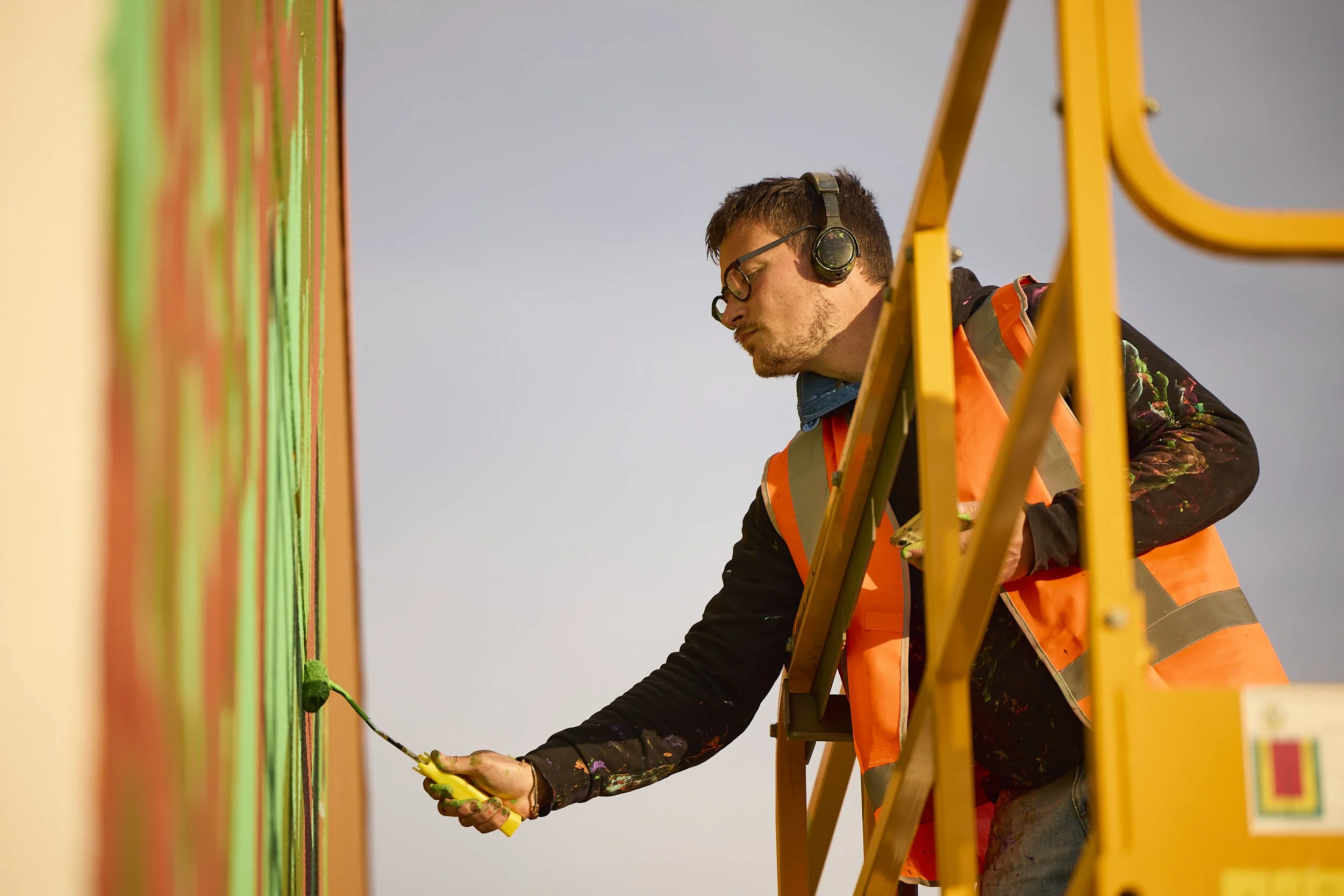
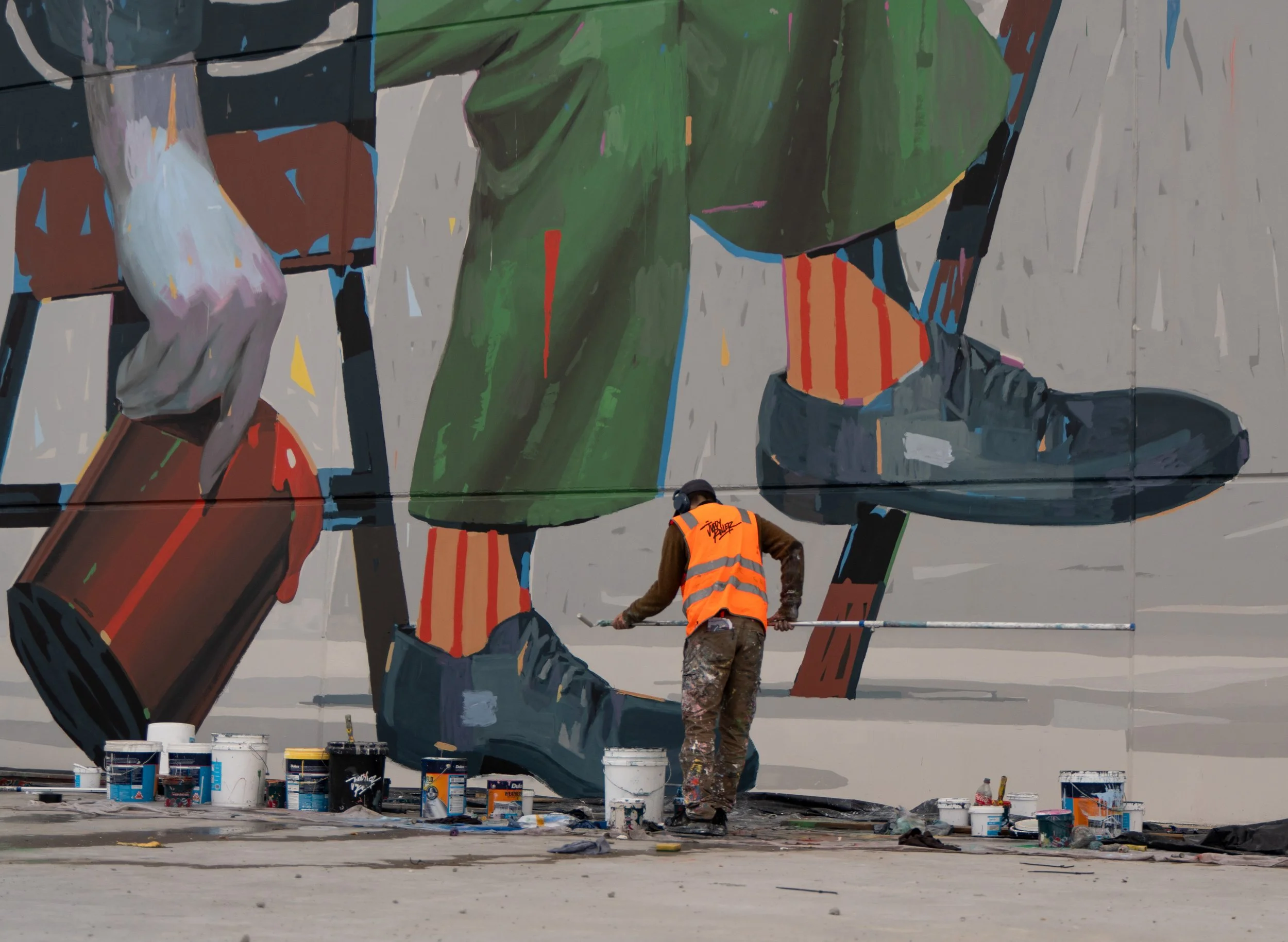
Where Creative Ambition Meets the Real World
✗ Unclear roles and approval pathways
✗ Concepts that cannot be safely or economically installed
✗ Access requirements identified too late
✗ Inadequate surface preparation
✗ Planning, heritage or stakeholder delays
✗ Artists and construction teams working to different schedules
✗ Budget increases caused by incomplete scoping
✗ Materials unsuitable for the surface or environment
✗ Inconsistent quality control
✗ Missing maintenance and handover documentation
A strong artwork concept still needs to function within planning requirements, construction programs, site rules, public safety obligations, budgets and fixed completion dates. Without experienced production management, projects can encounter:
Our role is to identify these issues early, establish a practical delivery pathway and coordinate the people responsible for bringing the project to life.
We bridge the gap between artist, client, builder, council, consultant and specialist contractor—without allowing the creative intent to disappear inside the construction process.
Why Public Art Production Matters
Public art exists in the real world.
It may be installed on a residential tower, public building, live entertainment venue, transport site, grain silo or active construction project. Each environment introduces different access, approval, safety, material and stakeholder requirements.
Production decisions directly affect:
Whether the concept is technically achievable
Whether the project receives the necessary approvals
Whether artists can work safely and effectively
Whether construction and public access can continue
Whether the artwork is completed on time
Whether costs remain within the approved budget
Whether the finished artwork performs as intended
Whether it can be maintained over its expected lifespan
Good production management is not separate from the creative outcome. It is what makes the creative outcome possible.
-
Before production begins, we assess the proposed artwork against the physical and operational realities of the site.
This can include:
Wall dimensions and surface condition
Architectural drawings and specifications
Visibility and viewing distances
Access and equipment requirements
Ground conditions and equipment loads
Construction interfaces
Traffic and pedestrian movement
Weather and environmental exposure
Planning and heritage considerations
Indicative budget and delivery timing
Early assessment prevents unsuitable concepts, incomplete budgets and avoidable redesign.
-
Approval requirements differ according to the location, jurisdiction, building, heritage status and proposed artwork.
Depending on the project, we can coordinate:
Planning and development approvals
Council and authority reviews
Heritage requirements
Building-owner and asset-manager approvals
Traffic and pedestrian management permits
Road or footpath occupancy requirements
Access-equipment permits
Stakeholder consultation
Artwork concept reviews
Conditions attached to an approved public art plan
Not every mural requires a development application, and terminology varies between states. We identify the relevant pathway for the specific site rather than applying one process to every commission.
-
Artists need clear creative, commercial and production frameworks.
We manage:
Artist briefing
Scope and deliverables
Concept stages and approval points
Artist fees and payment schedules
Intellectual property and permitted usage
Travel and accommodation
Materials and assistants
Site access and induction
Production schedules
Communication with the client and project team
This allows artists to concentrate on their work while ensuring the wider project remains coordinated.
-
Large-scale public art can require complex access systems and specialist personnel.
Depending on the site, this may include:
Scaffolding
Elevated work platforms
Swing stages
Rope access
Riggers
Traffic controllers
Pedestrian management
Surface-preparation contractors
Painters and artist assistants
Specialist coating applicators
Engineers and access consultants
Juddy Roller can engage its established contractor network or integrate with suppliers already appointed to the project.
What We Manage
-
Public art production must operate within the applicable workplace, construction and site-safety framework.
Our scope can include:
Site-specific Safe Work Method Statements
Risk assessments
Site inductions
Contractor licence and insurance verification
Equipment and operator coordination
Working-at-height controls
Exclusion zones
Traffic and pedestrian controls
Emergency and weather procedures
Coordination with builders and principal contractors
Responsibilities are documented for each project and coordinated with the relevant site team. Each organisation and duty holder retains the legal safety obligations that apply to its role; those duties cannot simply be transferred by contract. Safe Work Australia confirms that WHS duties may be shared but are not transferable.
-
A realistic budget must include more than the artist’s fee and paint.
We account for:
Artist fees
Design and concept development
Travel and accommodation
Surface preparation
Materials and coatings
Access equipment
Specialist contractors
Permits and traffic management
Site supervision
Photography and documentation
Weather and production contingency
Protective finishes and maintenance
The production schedule is then coordinated with artist availability, approvals, construction milestones, site access and weather conditions.
-
Material selection is based on the wall, environment and required lifespan.
We consider:
Existing substrate and coatings
Moisture and surface condition
Primers and preparation systems
Interior or exterior exposure
UV and weather resistance
Colour performance
Artist application methods
Anti-graffiti protection
Cleaning and maintenance
Future access for repairs
These decisions affect both the visual quality of the completed work and its long-term performance.
-
We remain involved throughout installation to monitor progress, resolve site issues and ensure the completed artwork aligns with the approved concept and project scope.
Handover can include:
Completion inspection
Final artwork photography
As-installed documentation
Product and coating information
Maintenance recommendations
Defect or touch-up procedures
Artist and intellectual-property records
Warranty information where applicable
Optional media and content assets
The result is a documented public artwork asset—not simply a painted wall and a collection of supplier invoices.
Our Public Art Delivery Process
We review the concept, site, stakeholders, budget, schedule and existing approvals.
01
Project Review
02
Feasibility and Risk Planning
We test the proposed artwork against access, surface, safety, planning and construction requirements.
03
Scope and Procurement
Roles, contractors, artist agreements, equipment, materials, deliverables and budgets are defined.
Concept approvals, permits, safety documentation, site coordination and production planning are completed.
04
Approvals and Pre-production
05
Site Establishment
Access equipment, exclusion zones, inductions, surface preparation and material deliveries are coordinated.
Production and Installation
The artist and production team complete the artwork under active project and site coordination.
06
07
Inspection and Handover
The finished work is inspected, documented and handed over with the relevant maintenance information.
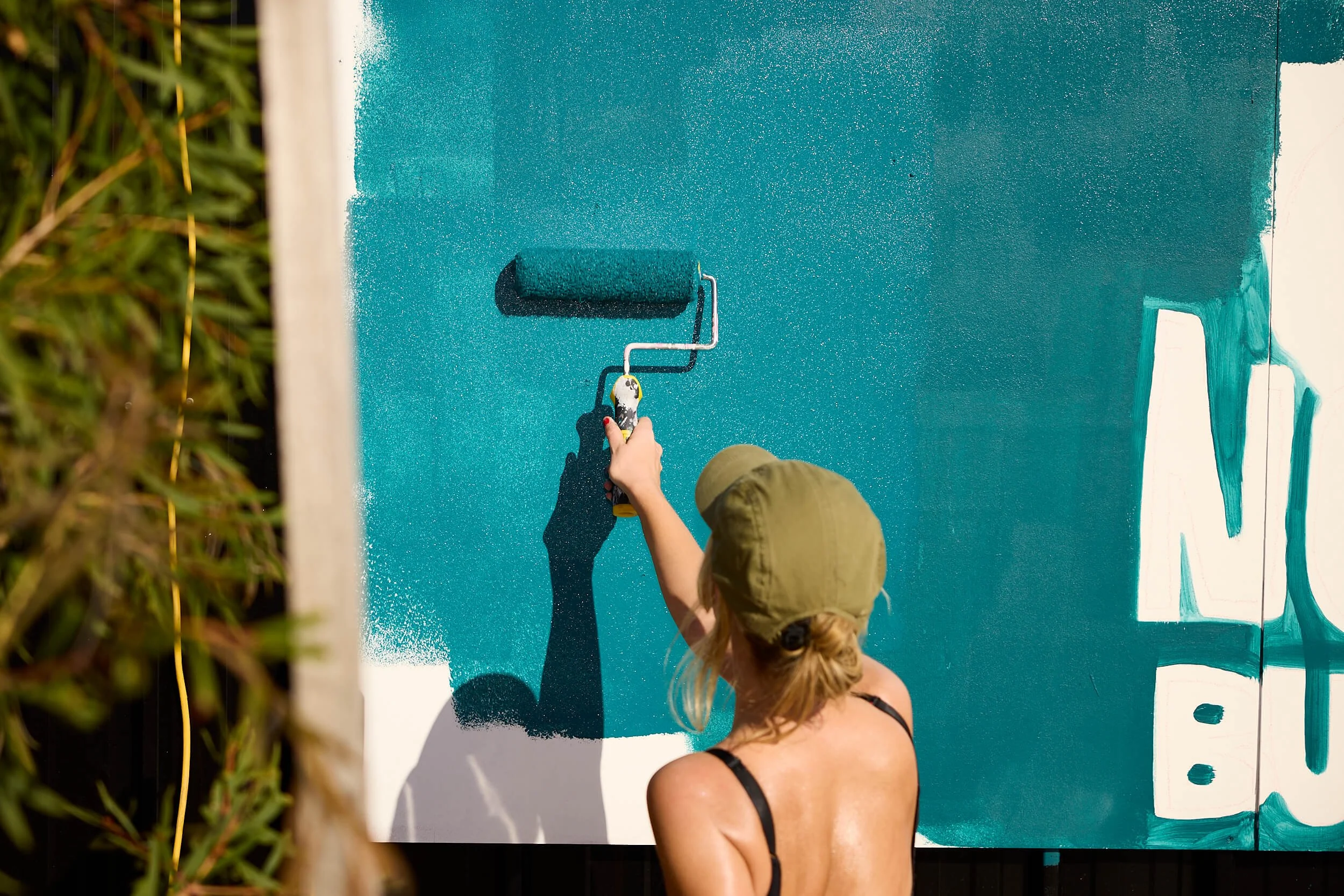
Working With Your Existing Project Team
Juddy Roller can operate as the complete production partner or integrate with an established project structure.
Where existing contractors or site systems are already in place, we define the interface between those teams and the artwork production scope.
This avoids duplication, unclear responsibilities and gaps between the creative and construction programs.
We regularly coordinate with:Developers and asset owners
Builders and principal contractors
Engineers
Artists selected before our appointment
Planning and heritage consultants
Marketing and communications teams
Project managers
Architects and landscape architects
Facility and asset managers
Council teams
Community-engagement consultants
Built From Experience, Not Assumption
Juddy Roller has delivered more than 500 murals and public artworks across Australia.
Our production experience includes:Multi-storey residential façades
Live construction environments
Public housing
Stadium and sporting infrastructure
Transport and civic sites
Entertainment and hospitality venues
Multi-artist precinct programs
Regional and remote locations
Dozens of monumental silo artworks
Staged projects delivered over several years
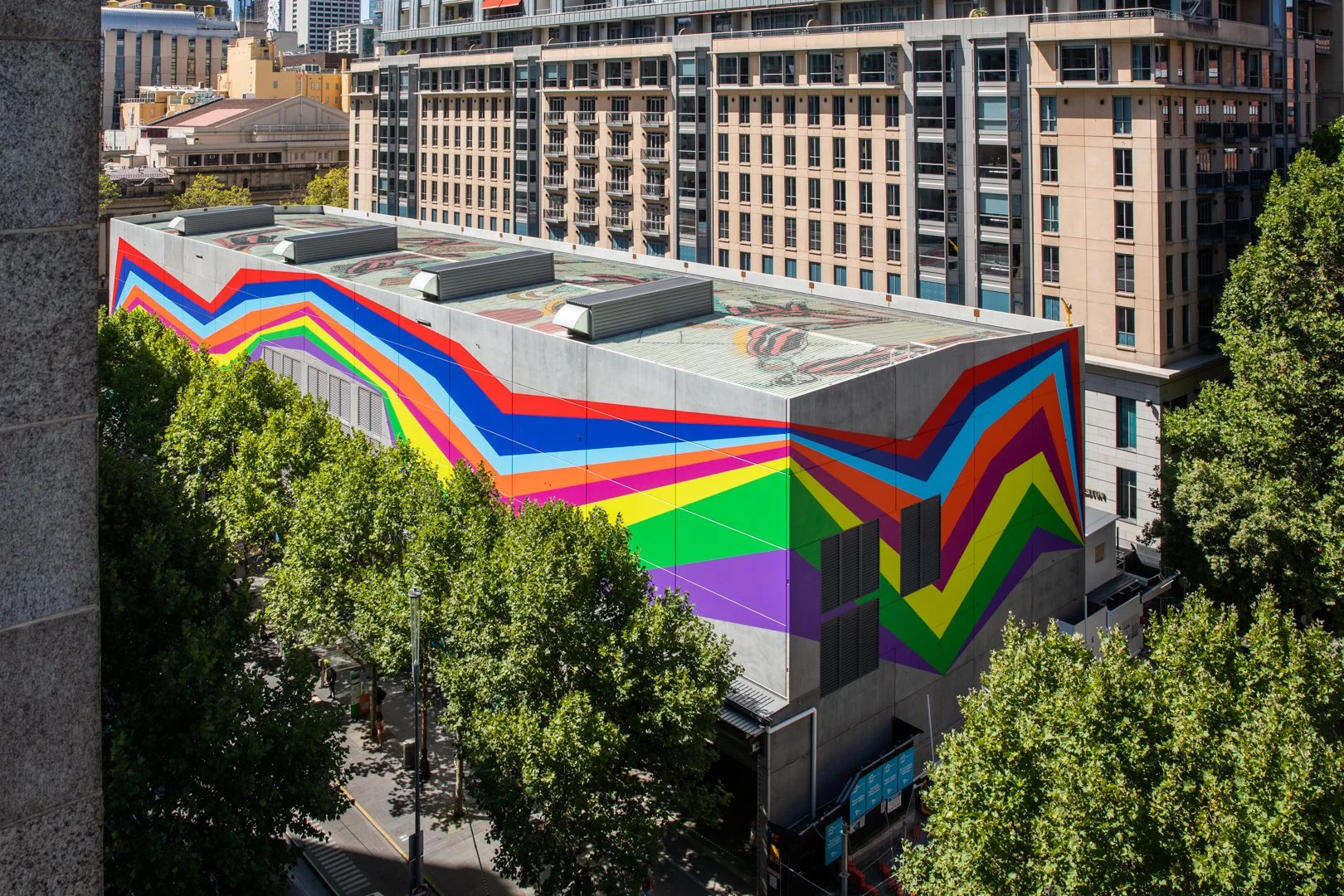
If a production challenge can be anticipated, it should be addressed before the artist arrives—not discovered halfway through installation.
Complex Public Art Delivery in Practice
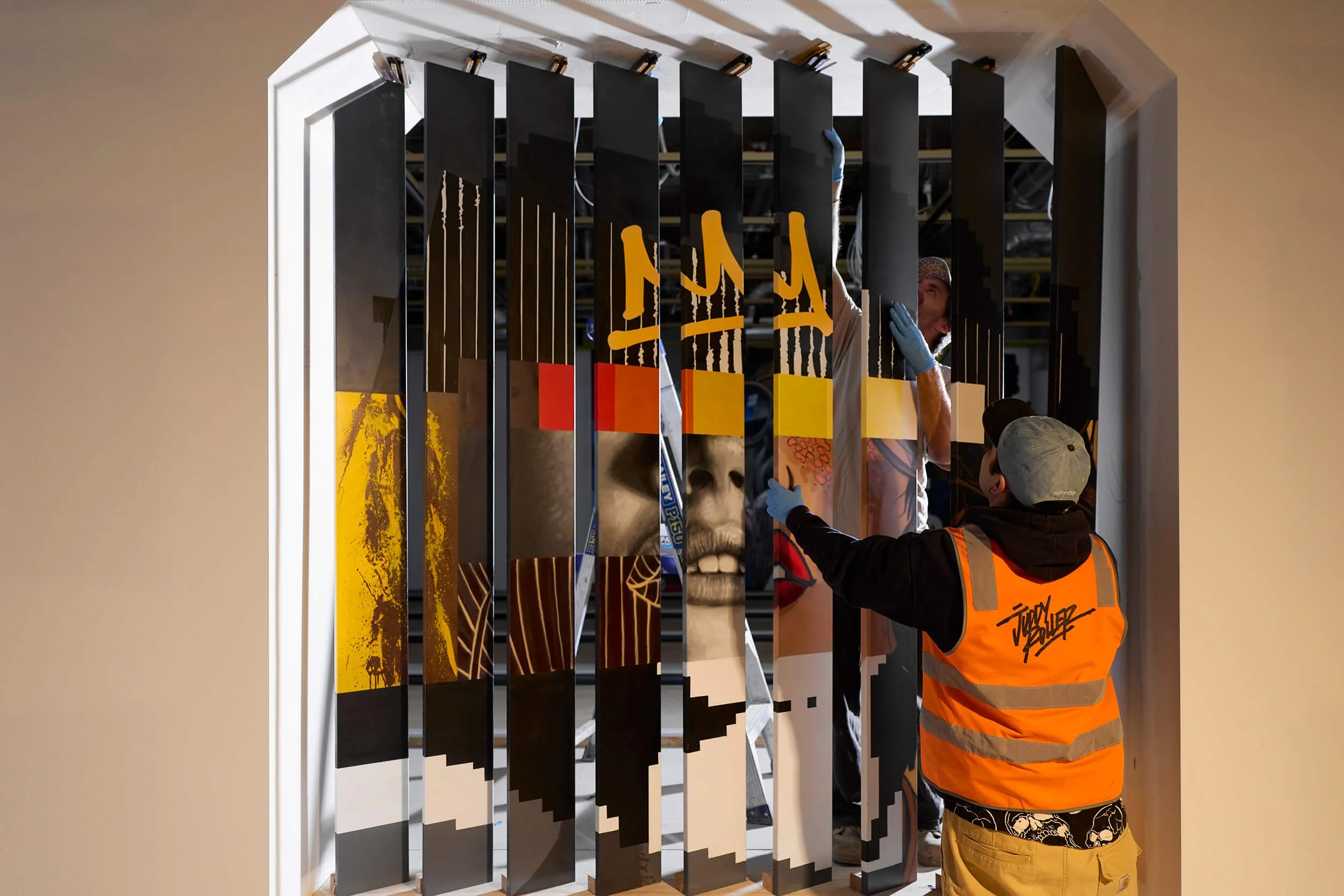
Six artists created 16 murals throughout a 3,000-square-metre CBD entertainment venue during a demanding construction program.
Production required coordination between artists, trades, access requirements and a fixed opening schedule.
Kingpin Melbourne
multi artist live site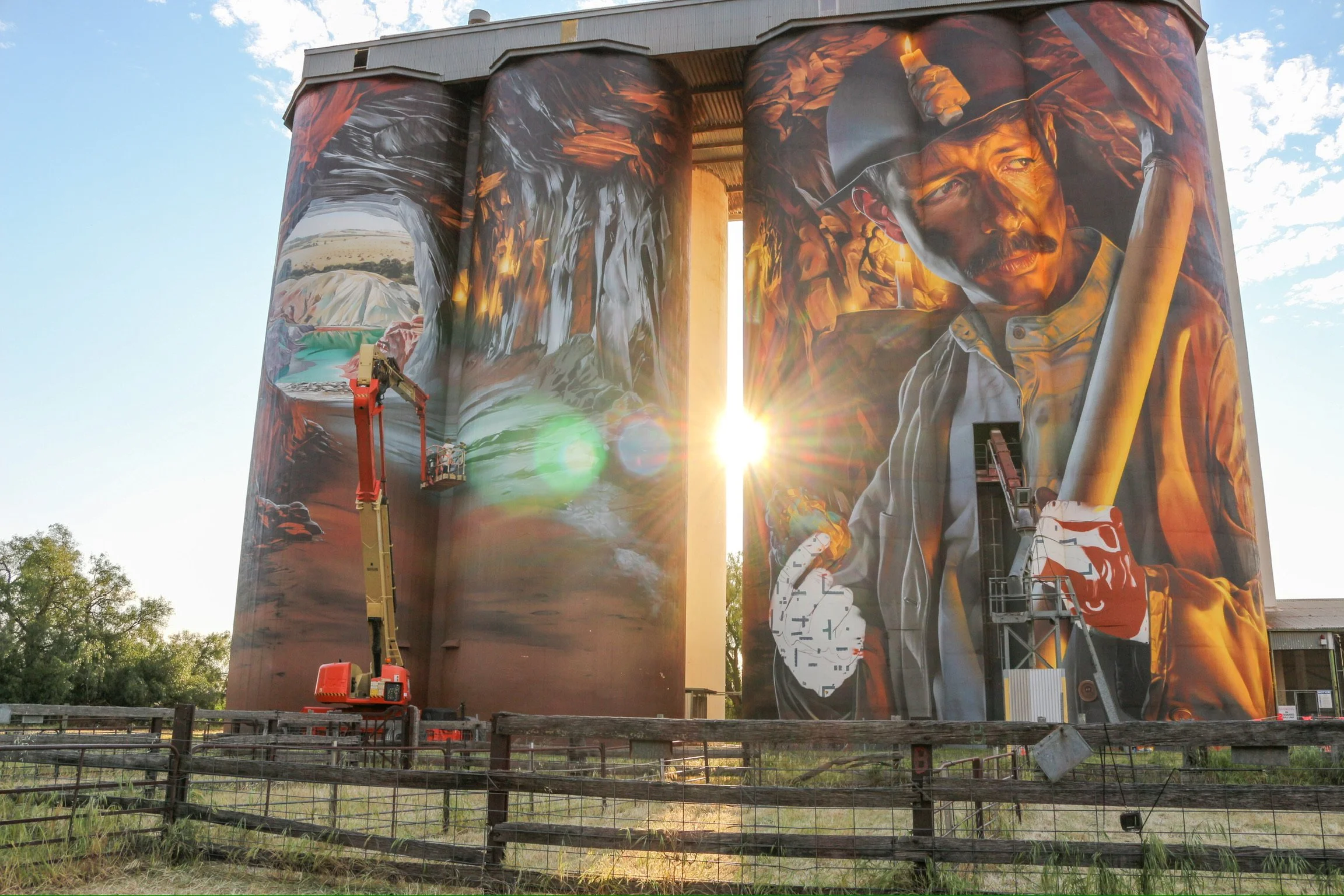
Juddy Roller founded and produced the original Australian Silo Art Trail and has delivered dozens of silo artworks across multiple states.
These projects required monumental access, regional logistics, community coordination, specialist preparation and artists working at an industrial scale.
Australian Silo Art Trail
Regional Delivery at Scale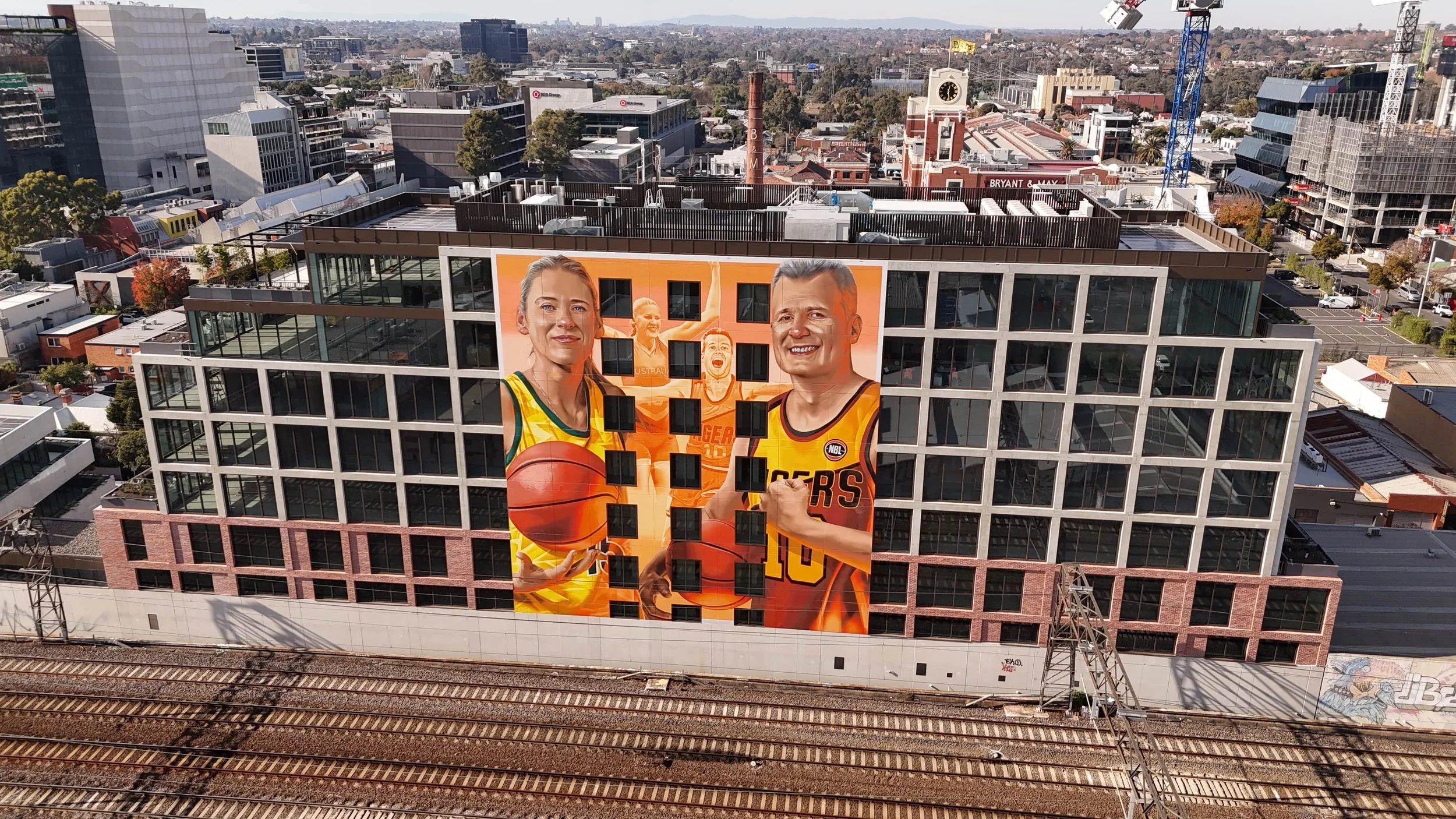
A 638-square-metre mural by Smug was delivered across the nine-storey NBL headquarters in Cremorne.
Juddy Roller managed artist curation, creative development, wall preparation, access, safety and installation on a prominent commercial façade.
NBL Headquarters
nine storeys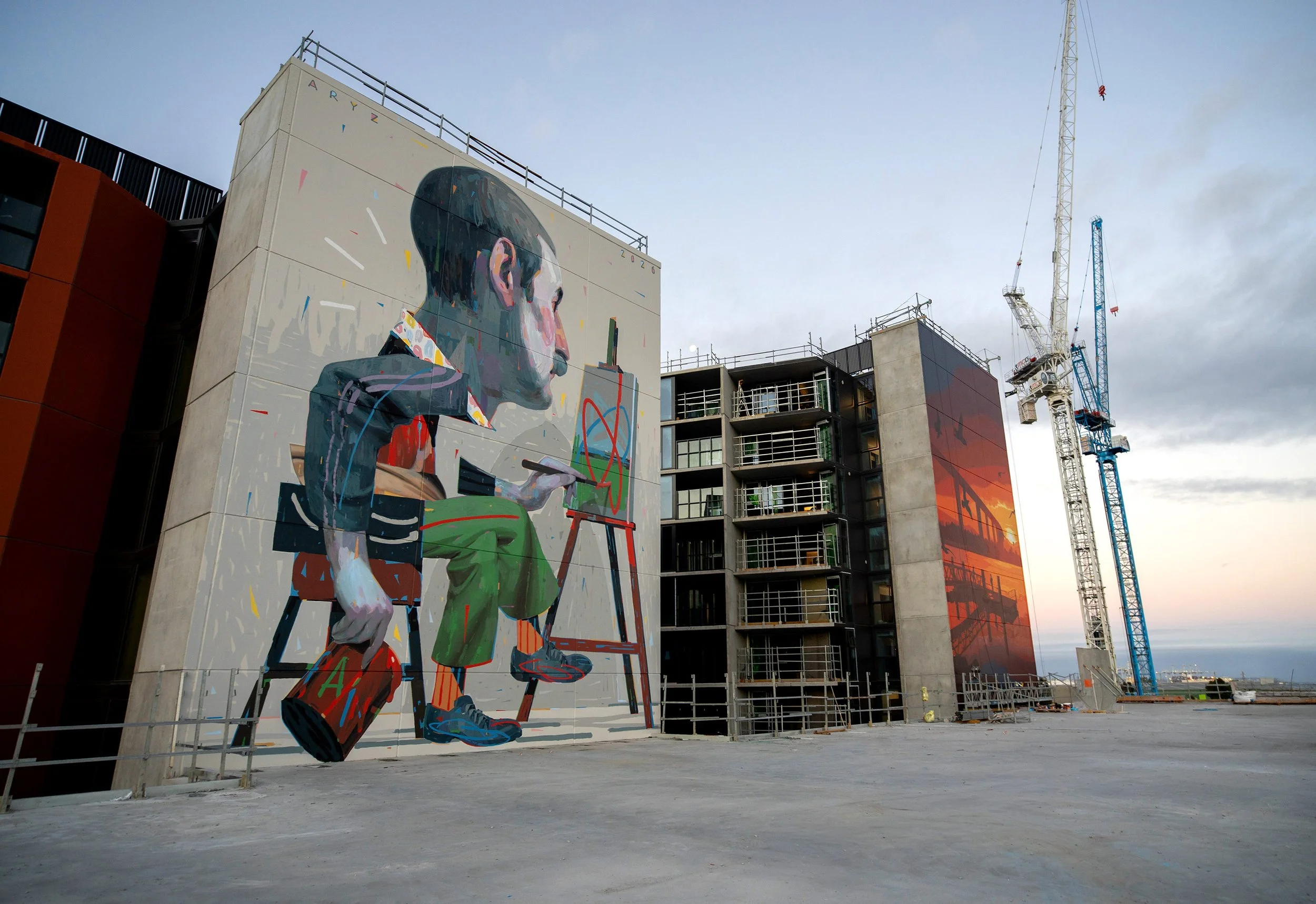
Juddy Roller developed the endorsed public art strategy and is managing a staged artwork program across five towers at Spotswood Yards.
The project involves more than 1,250 square metres of artwork, high-altitude access, live construction conditions, multiple artists and delivery aligned with development releases.
Spotswood Yards
five residential towersWhat Our Clients Say
“Juddy Roller’s deep understanding of large-scale public art, combined with their ability to navigate complex production processes, makes them the definitive choice for developers and architects seeking to integrate world-class art into their projects.”
Shannon RobertsProperty Development Specialist, LK Property Group
“Juddy Roller delivered an exceptional outcome for Indi Footscray. We are thrilled with the result, which has become a defining feature of the development and a genuine celebration of Footscray’s creative identity.”
Alana Donoghue
Senior Development Manager, Investa
-
On-site production for a large-scale mural generally takes between two and six weeks, depending on scale, access, design complexity and weather.
Planning, concept development and approvals commonly add four to eight weeks before installation, while major developments and technically complex projects may require substantially longer.
We prepare a project-specific program rather than applying one timeline to every site.
-
Yes, where included in the project scope.
We can coordinate planning and heritage requirements, council reviews, traffic and pedestrian management, access permits and stakeholder consultation.
The required pathway depends on the jurisdiction and site.
-
Safety responsibilities depend on the project structure, workplace, jurisdiction and each party’s degree of control.
Juddy Roller coordinates the safety documentation, licensed operators, specialist contractors and site interfaces included within our scope. We consult and coordinate with the client, builder, principal contractor and other duty holders, each of whom retains the legal duties applicable to its role.
-
Depending on the project, documentation can include site-specific Safe Work Method Statements, risk assessments, licences, insurance certificates, equipment documentation, inductions and relevant permits.
Requirements are established with the site team during pre-production.
-
Yes. We can integrate with contractors already engaged by a developer, council or principal contractor.
We define responsibilities and interfaces early so the artist, access team, builder and site management are working to the same program.
-
Yes. Juddy Roller can manage the concept, agreements, approvals and production for an artist already appointed by the client.
We will first assess whether the proposed concept, artist and production approach are suitable for the site.
-
Weather exposure is considered when preparing the program.
For external work, we monitor conditions, establish workable thresholds and include appropriate contingency. Any effect on the completion date is communicated through the agreed project-management process.
-
We specify premium paint systems and can apply protective anti-graffiti coatings where appropriate.
Handover can also include maintenance guidance, product records and a plan for future cleaning, inspections or repairs.
-
Costs depend on the artist, wall size, access, surface preparation, location, design complexity, materials, permits, contractors and finishes.
As a guide, professional large-scale commissions commonly begin around $30,000, while landmark and architectural-scale projects can exceed $150,000.
FAQs
Ready to Reduce Delivery Risk?
If you already have an artist, concept or site—or simply need to understand what a proposed artwork will require—we can establish a practical pathway to delivery.
Juddy Roller can manage the approvals, production planning, contractors, access, installation and handover while working alongside your existing project team.