
Art as Infrastructure: Why Culture Is a City’s Real Power Source
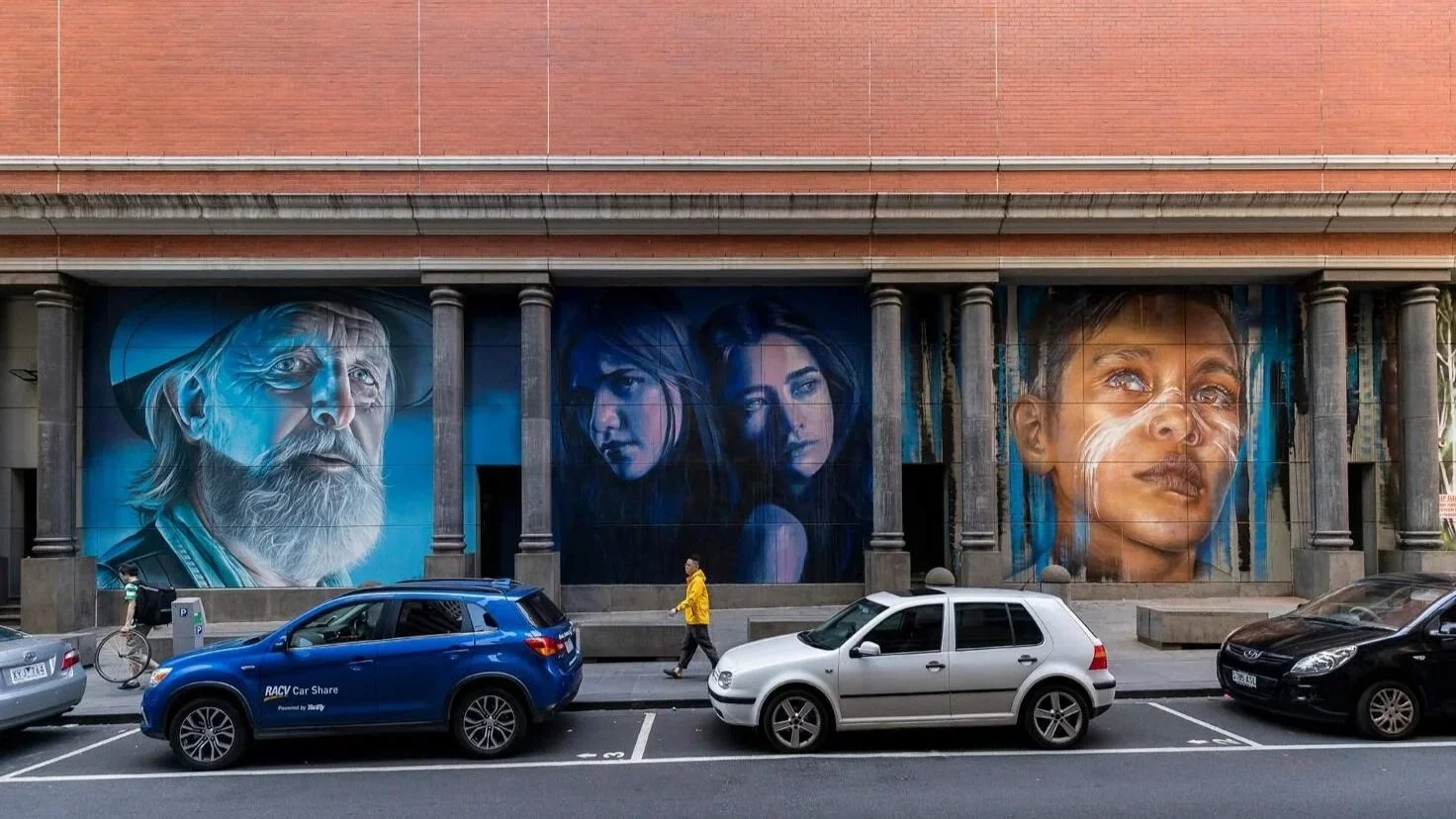
A collaboration with City Power and Far East Consortium, transformed this power station into an iconic outdoor art gallery. Artists featured are Smug, Rone, and Adnate.
Cities like to talk about their infrastructure. Roads, rail, drainage. It all matters, but none of it is why you remember a place.
What gives a city its personality is culture, and public art is the part of it anyone can see, for free, on the way to somewhere else. I don't mean the bronze statue outside the council chambers, or the polite sculpture in a corporate forecourt. I mean murals, installations and interventions that feel like they belong to the street.
Most places still treat art as decoration, and it's usually the first thing cut when a budget gets tight. I think that's backwards. Art is infrastructure.
People don't travel for the drainage
They travel for art, food, music and the feeling of being somewhere specific. Good cultural cities have that in spades, often without trying. Everyone else works hard to copy it.

The local Tumby Bay community gathers around their newly completed Silo Artwork, with a sense of pride, joy, and reassurance in knowing that hard work, determination, and an unwavering belief can make anything happen!
It isn't only about tourism. One mural can change how a neighbourhood sees itself more than a streetscape upgrade. A festival can lift a town faster than a capital works program. We saw it at Mordi Village, where Wall to Wall turned an industrial precinct into an open-air gallery in two weeks. And the right artwork by the right artist in the right spot can do more for a place than an expensive tourism campaign.

Local Kingston Artist Claudio Mantuano, painting in front of an eager crowd on a street art tour at Wall to Wall Mordi Village. This festival transformed the entire industrial precinct into an open-air street art gallery in the space of two weeks.
What it returns
Public art produces results you can see, not just atmosphere.
Visitors. The Silo Art Trail brought international visitors to towns most people couldn't have found on a map.
Dwell time. People stop, look around and spend money nearby.
Identity for developments. A development with a real cultural identity is easier to market and holds its character as it ages.
Community. Neighbourhoods with art feel lived in and cared for.
Those are the things cities and developers say they want: connection, momentum, value and identity.
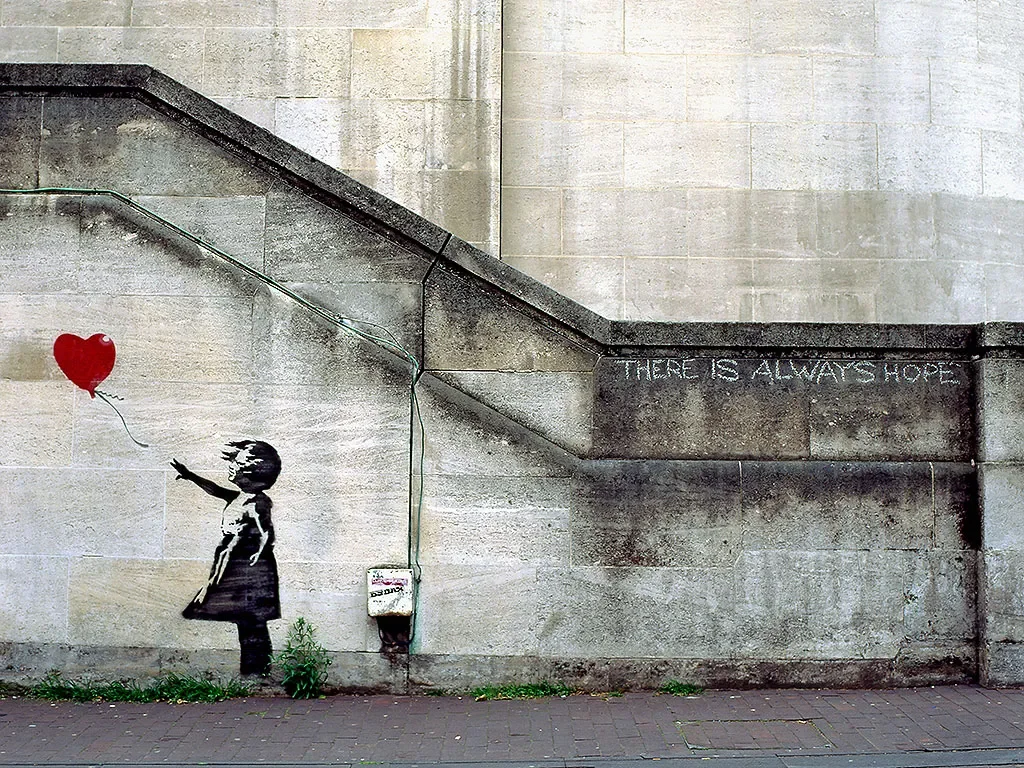
Banksy's Girl with Balloon in London. In cities around the world, street art is part of why people visit, and it gets shared online without anyone paying for the campaign.
Letting experts be experts
Look at the cities people love, like Tokyo, New York, London, Paris and Melbourne. Their creative scenes weren't produced by perfect planning or tidy streets. They came from experimentation, scale and a willingness to let artists take risks.
That's the approach we took on our partnership with Far East Consortium in Melbourne, where a power station became an outdoor gallery with work by Smug, Rone, Adnate, Dvate and Fintan Magee. It's the same thinking behind our public art strategy and precinct activation work.
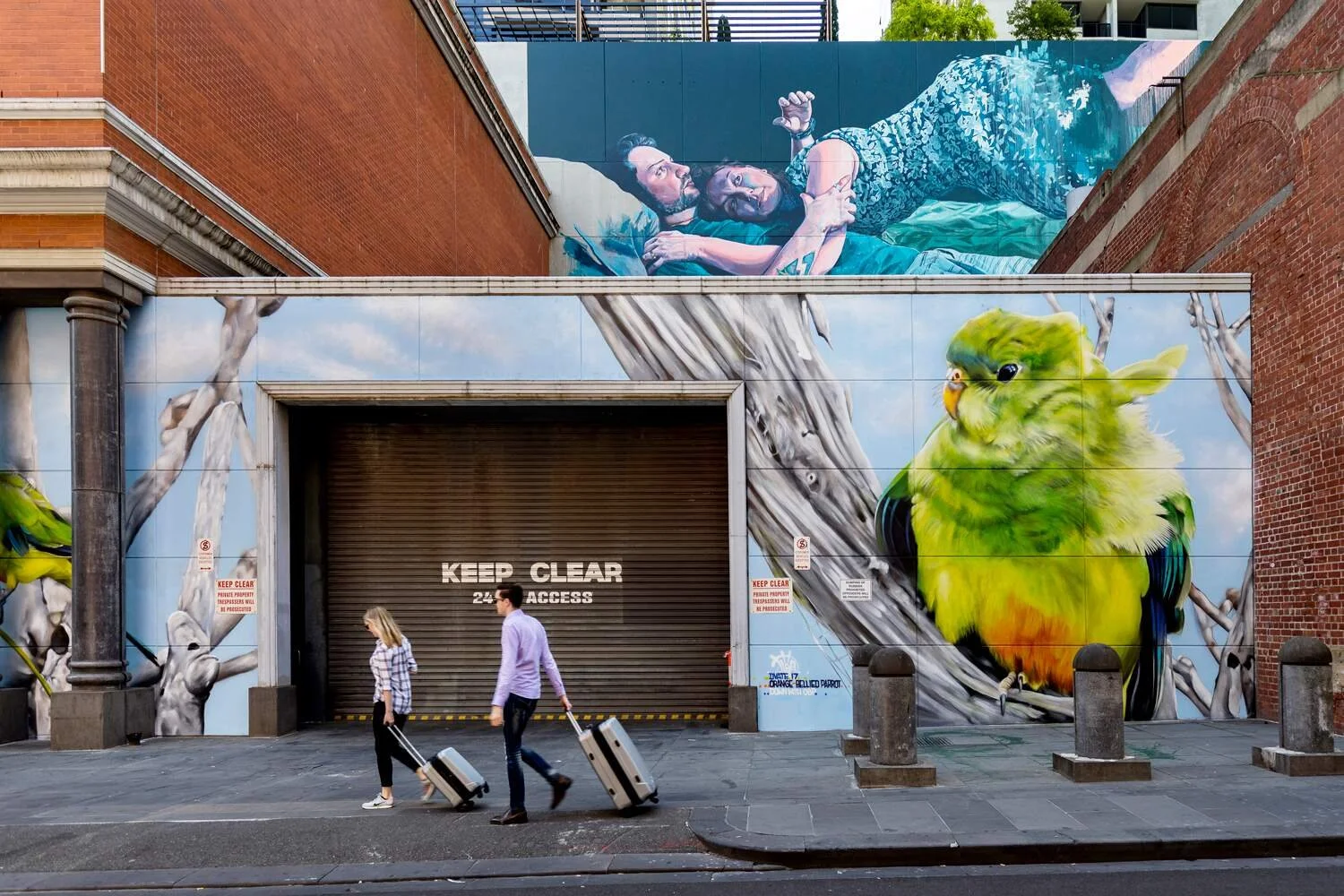
Another view of our public-private partnership with Powercorp / Far East Consortium in Melbourne, with artwork by Melbourne legends Dvate, and international artist Fintan Magee.
Creative infrastructure is social infrastructure. It makes economic sense, and it does something engineering can't: it gives people a feeling about a place that lasts.
If you're weighing up where art fits in a precinct or development budget, let's talk.
